
Kayaking in Washington (July 2026): 15+ Spots, Safety & Gear
When I first dipped my paddle into Washington's crystal-clear waters over a decade ago, I knew I had discovered something special. Kayaking in Washington isn't just an outdoor activity, it is a gateway to experiencing the Pacific Northwest in its purest form. From the glacially carved alpine lakes of the North Cascades to the bioluminescent waters of the San Juan Islands, this state offers paddlers an unmatched diversity of environments within a single day's drive.
What makes Washington truly exceptional for kayaking is the sheer variety of conditions you can encounter. One morning you might be navigating through kelp forests in the calm waters of Puget Sound, and by afternoon you could be drifting past thundering waterfalls on a pristine mountain lake. The Olympic Peninsula alone hosts over 600 miles of coastline, while the Columbia River Gorge delivers world-class whitewater opportunities. Whether you are a total beginner searching for calm, protected waters or an experienced paddler craving the challenge of open ocean swells, Washington delivers experiences that rival any destination in North America.
This comprehensive guide draws from local knowledge, recent trail reports, and the collective wisdom of Washington's vibrant paddling community. We will explore everything from the best hidden gems on the Kitsap Peninsula to the permits you need for accessing remote alpine lakes. By the end, you will have all the information necessary to plan your own unforgettable Washington kayak adventure, whether you are renting gear for a weekend getaway or investing in your first boat for years of exploration.
What You Will Discover in This Guide
- Why Washington consistently ranks among the top paddling destinations in the United States
- Detailed breakdown of 15+ premier kayaking locations from the coast to the Cascades
- Essential permit information including Discover Pass and Northwest Forest Pass requirements
- Gear recommendations for Washington's specific conditions and water types
- Safety protocols including the crucial 120 rule for cold water paddling
- Practical tips for beginners and advanced techniques for experienced paddlers
Why Kayaking in Washington Belongs on Every Paddler's Bucket List
Washington's reputation as a kayaking paradise is not accidental. The state's unique geography creates a rare convergence of marine, freshwater, and alpine environments that few other regions can match. The Pacific Ocean moderates coastal temperatures, creating a temperate climate that extends the paddling season well beyond what inland states experience. Meanwhile, the Cascade Range acts as a rain shadow, generating dramatically different conditions between western and eastern Washington, effectively giving paddlers two distinct regions to explore.
The numbers tell an impressive story. Washington State Parks maintains over 40 dedicated watercraft launch sites across the state, from remote forest access points to urban locations with full amenities. The Washington Water Trails Association has mapped and documented hundreds of miles of marine trails throughout Puget Sound and the San Juan Islands, complete with detailed information about campsites, hazards, and points of interest. For freshwater enthusiasts, the state manages more than 7,000 lakes and over 3,000 miles of rivers, ranging from gentle Class I flows suitable for families to challenging Class V rapids that attract expert whitewater kayakers from around the world.
Breathtaking Natural Diversity
The visual variety you encounter while kayaking in Washington is genuinely remarkable. In the San Juan Islands, paddlers glide through waters that transition from deep emerald to turquoise depending on depth and bottom conditions, with the snow-capped peaks of the Olympic Mountains providing a dramatic backdrop. The Hood Canal offers a unique fjord-like experience where the water takes on an otherworldly blue-green hue thanks to specific plankton concentrations and depth characteristics.
Move inland to the Cascade foothills and the scenery shifts completely. Lake Crescent on the Olympic Peninsula delivers water so clear that visibility extends to 60 feet in some areas, revealing an underwater world of sunken logs and ancient rock formations. The high alpine lakes of the North Cascades, accessible only by hiking with a packraft or inflatable kayak, offer paddlers the chance to float in complete solitude surrounded by jagged peaks and wildflower meadows. Lake Chelan, a 50-mile fjord-like reservoir in north-central Washington, presents a desert-meets-mountain landscape that feels more like Arizona than the Pacific Northwest.
World-Class Wildlife Viewing
Wildlife encounters while kayaking in Washington can be genuinely life-changing experiences. The waters around the San Juan Islands represent one of the best places on Earth to view orca whales from a kayak, with the J, K, and L pods frequently passing through the area from May through September. While maintaining proper distance is essential for both safety and marine mammal protection, the experience of sharing the water with these magnificent creatures creates memories that last a lifetime.
But orcas are just the beginning. Harbor seals are ubiquitous throughout Puget Sound, often popping up within feet of kayaks to investigate these quiet human visitors. River otters are common sights on freshwater lakes and slow-moving rivers, particularly in the early morning hours. Bald eagles nest throughout the state, with the Skagit River Valley hosting one of the largest winter concentrations of these majestic birds in the continental United States. Paddlers on the Olympic Peninsula frequently spot sea lions, harbor porpoises, and even the occasional gray whale during migration seasons.
For birdwatchers, kayaking provides access to areas that are difficult or impossible to reach by land. The Nisqually River Delta near Olympia hosts hundreds of bird species throughout the year, while the wetlands around Port Townsend and the Kitsap Peninsula attract migratory waterfowl in staggering numbers. Even casual paddlers are likely to encounter great blue herons fishing along shorelines, ospreys diving for prey, and kingfishers chattering from overhanging branches.
Getting Started with Kayaking in Washington
Starting your kayaking journey in Washington is surprisingly accessible, even if you have never held a paddle before. The state's extensive network of rental facilities, guided tour operators, and instructional programs means you can get on the water the same day you decide to try the sport. However, understanding a few fundamentals before your first outing will make the experience safer and more enjoyable.
Choosing the Right Kayak Type
The first decision every new paddler faces is selecting the appropriate kayak type. For Washington waters, this choice depends heavily on where you plan to paddle most frequently. Sit-on-top kayaks offer excellent stability and are virtually unsinkable, making them ideal for beginners, warm weather paddling, and casual lake outings. These boats are particularly popular for family kayaking and fishing since they are easy to re-board if you capsize and provide ample storage access.
Sit-inside kayaks provide better protection from the elements and superior efficiency for longer distances. They are the preferred choice for sea kayaking in Puget Sound, cold water paddling, and multi-day trips where staying dry matters. The enclosed cockpit allows for the use of a spray skirt, which creates a watertight seal around your waist and keeps waves from entering the boat.
Inflatable kayaks have revolutionized access to remote waters, particularly for packrafting enthusiasts who hike into alpine lakes. Modern inflatable designs from companies like Sea Eagle and Advanced Elements offer performance that rivals hard-shell boats while packing down small enough to fit in a backpack or car trunk. They are particularly popular for apartment dwellers who lack storage space for traditional kayaks.
When to Go: Seasonal Considerations
One of the most common questions from newcomers is when to plan their first kayaking experience in Washington. The honest answer is that skilled paddlers with proper cold-water gear can enjoy the sport year-round, but beginners should target the late spring through early fall window for the most forgiving conditions.
June through August represents peak paddling season, with long daylight hours, warm air temperatures, and generally calmer waters. This is when rental shops operate at full capacity, guided tours run daily departures, and wildlife viewing opportunities peak. However, summer weekends at popular spots like Deception Pass, Lake Union, and Rattlesnake Lake can feel crowded, so weekday outings offer a more peaceful experience.
Spring paddling (April through May) offers unique rewards despite cooler temperatures. The waterfalls throughout the Cascades are at their most dramatic as snowmelt peaks, and wildflower displays along riverbanks create spectacular scenery. Just be prepared for unpredictable weather and always check river flow levels, as spring runoff can dramatically change conditions on moving water.
Autumn (September through November) is many local paddlers' favorite season. Summer crowds have dispersed, fall colors transform the landscape, and calm, stable weather patterns often prevail. September and October frequently deliver what locals call "Indian Summer" conditions, with warm days, cool nights, and glassy water surfaces that make paddling effortless.
Understanding Permits and Passes
Accessing Washington's paddling destinations often requires specific permits and passes, and understanding these requirements beforehand prevents frustrating surprises at trailheads and launch sites. The two most common passes you will encounter are the Discover Pass and the Northwest Forest Pass.
The Discover Pass is required for vehicle access to Washington State Parks, recreation sites managed by the Department of Natural Resources, and Department of Fish and Wildlife properties. At $35 for an annual pass or $11.50 for a single day, this pass provides access to over 100 state parks including popular paddling destinations like Deception Pass State Park, Lake Chelan State Park, and dozens of smaller lakes with developed boat launches. The pass must be displayed in your vehicle window when parked at any of these sites.
The Northwest Forest Pass covers federal lands managed by the U.S. Forest Service, including the majority of trailheads and boat launches in national forest areas. This $30 annual pass provides access to alpine lakes in the Mount Baker-Snoqualmie National Forest, the Okanogan-Wenatchee National Forest, and the Gifford Pinchot National Forest. Many of the most spectacular packrafting destinations require this pass for parking at trailheads.
For destinations within national parks, including parts of Olympic National Park and North Cascades National Park, the America the Beautiful Pass ($80 annually) covers entrance fees. Some specific lakes within these parks, like Lake Crescent in Olympic National Park, require additional permits for overnight camping or specific activities. Always check the National Park Service website for current requirements before heading to these areas.
Comprehensive Guide to Washington's Best Kayaking Destinations
After years of exploration and conversations with local paddling clubs, I have compiled what I consider the definitive list of Washington's premier kayaking destinations. These locations represent a mix of accessibility levels, paddling environments, and unique experiences that showcase everything this state has to offer. Whether you have an afternoon or a week, you will find options here that match your skill level and interests.
| Product | Key Specs | Action |
|---|---|---|
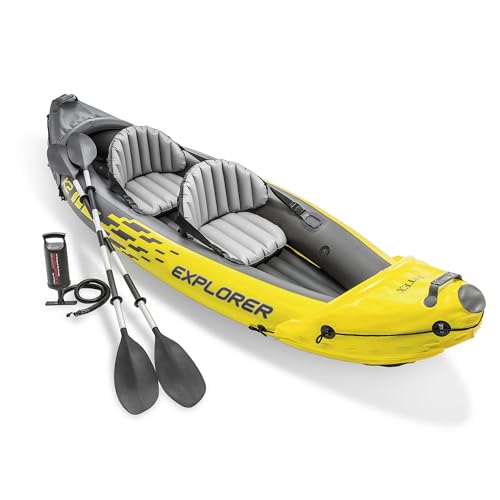 Intex Explorer K2 Inflatable Kayak
|
|
Check Latest Price on Amazon |
 Perception Joyride 10 Sit Inside
|
|
Check Latest Price on Amazon |
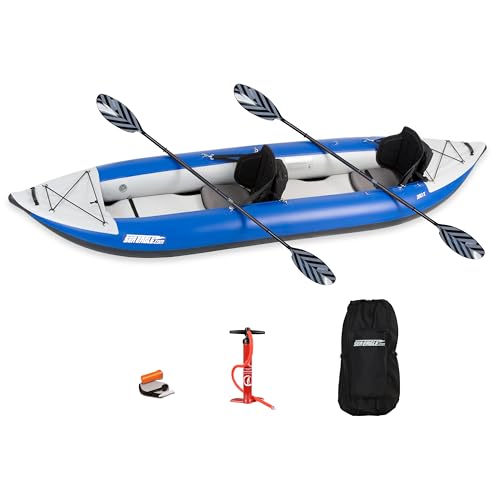 Sea Eagle 380X Explorer Inflatable
|
|
Check Latest Price on Amazon |
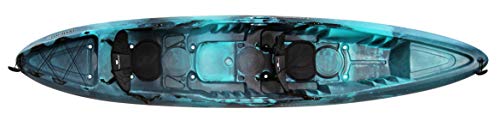 Perception Rambler Tandem Sit-on-Top
|
|
Check Latest Price on Amazon |
 Wilderness Systems Tsunami 125
|
|
Check Latest Price on Amazon |
Puget Sound and Seattle Area
Puget Sound serves as the heart of Washington sea kayaking, offering protected waters with stunning views of the Olympic and Cascade Mountains. For beginners, the area around Gig Harbor and Liberty Bay provides calm conditions with minimal boat traffic and easy shoreline access. The waters here are sheltered from prevailing winds, making it an excellent training ground for developing basic skills.
Agate Passage, separating Bainbridge Island from the Kitsap Peninsula, consistently ranks among my favorite local paddles. The passage offers reliable wildlife encounters, including harbor seals, otters, and the occasional pod of orcas passing through. Launch from the boat ramp at Waterfront Park in downtown Gig Harbor for easy access to Colvos Passage, where the shoreline cliffs create dramatic scenery and the deep waters attract marine life.
Lake Union and Lake Washington provide urban paddling experiences that are surprisingly wild given their proximity to downtown Seattle. Lake Union offers houseboat communities to explore, the Center for Wooden Boats to visit, and excellent views of the Seattle skyline. The Montlake Cut connects Lake Union to Lake Washington and provides a narrow channel experience with boat traffic to navigate around. Lake Washington itself is much larger and can develop significant wind waves, but the protected coves along the western shore near Magnuson Park offer beginner-friendly conditions.
Port Townsend, located on the northeastern tip of the Olympic Peninsula, serves as a gateway to some of the best sea kayaking in the Pacific Northwest. The waters around Protection Island and the main shipping channel offer opportunities to spot gray whales during their spring and fall migrations. The protected bay inside Port Townsend provides beginner-friendly conditions with the added benefit of a charming historic downtown to explore after your paddle.
San Juan Islands
The San Juan Islands archipelago represents the crown jewel of Washington kayaking for many paddlers. This group of over 400 islands and rocks offers everything from day trips to multi-day expeditions, with each island presenting its own character and challenges. Friday Harbor on San Juan Island serves as the main hub, with multiple outfitters offering rentals, guided tours, and shuttle services.
San Juan Island itself provides excellent paddling along its western shore, where the kelp forests shelter an incredible diversity of marine life. The waters between San Juan Island and Vancouver Island, known as Haro Strait, are prime orca territory. While paddling with orcas requires experience and adherence to whale-wise guidelines, the experience of watching these magnificent creatures from sea level is unmatched in the paddling world.
Shaw Island and Lopez Island offer quieter alternatives to the more developed San Juan Island. Shaw Island maintains a deliberately undeveloped character, with limited services and a peaceful atmosphere that appeals to paddlers seeking solitude. Lopez Island is known as the "Friendly Isle" and offers easy cycling and kayaking combination trips, with numerous pocket beaches perfect for landing and exploring.
Sucia Island, a state marine park located north of Orcas Island, is frequently cited as the most beautiful island in the archipelago. Its honeycombed sandstone formations create sea caves and arches to explore, while the protected coves provide excellent anchorage for kayakers on overnight trips. The island has no ferry service, meaning it is accessible only by private boat, making it feel genuinely remote despite being just a few miles from civilization.
Olympic Peninsula and Hood Canal
The Olympic Peninsula offers a completely different paddling experience from the urban and island environments to the east. This wild coastline features dramatic sea stacks, hidden coves, and some of the most challenging sea kayaking conditions in the state. Lake Crescent, located within Olympic National Park, provides a freshwater alternative with stunning clarity and mountain views. The lake's depth reaches nearly 600 feet in places, creating the striking blue color that makes it one of Washington's most photographed locations.
Lake Cushman, located just outside the park boundaries, offers warmer water temperatures than most Olympic Peninsula lakes thanks to its lower elevation. The steep shoreline creates a fjord-like environment with waterfalls cascading directly into the lake during spring and early summer. The lake is particularly popular with anglers and families seeking a more relaxed paddling experience.
Hood Canal extends south from the junction with Admiralty Inlet, creating a 60-mile long fjord that offers some of the most unique paddling in Washington. The canal's waters are significantly saltier than the rest of Puget Sound and host unique marine ecosystems. The western shore is largely undeveloped, providing a wilderness feel despite the canal's proximity to population centers. Popular launch sites include Seal Rock Campground and the public access point at Potlatch State Park.
Deception Pass and Whidbey Island
Deception Pass State Park consistently ranks among the most popular outdoor destinations in Washington, and for good reason. The narrow channel connecting Skagit Bay to the Strait of Juan de Fuca creates dramatic tidal currents that can exceed 8 knots during peak flow. While these conditions are dangerous for all but expert paddlers during maximum current, the slack tide periods offer relatively calm passage with stunning scenery.
The area around the pass offers excellent wildlife viewing, particularly for harbor seals and bald eagles. The nearby Ben Ure Island and Strawberry Island provide short paddling destinations suitable for beginners during calm conditions. The state park maintains an excellent boat launch at Bowman Bay, along with camping facilities that make it easy to plan a multi-day kayaking vacation.
Whidbey Island's western shore faces the open waters of the Strait of Juan de Fuca and offers more challenging conditions suitable for experienced sea kayakers. The southern end of the island near Coupeville provides protected waters within Penn Cove, famous for its mussel farms and excellent seafood restaurants accessible by kayak. The town of Coupeville maintains a public dock where paddlers can land and explore the historic waterfront.
Eastern Washington: Lakes and Rivers
Eastern Washington kayaking offers a dramatic change of pace from the marine environments of the western part of the state. The Columbia River Gorge provides world-class scenery as the river cuts through the Cascade Range, creating basalt cliffs and dramatic waterfalls. The stretch between the Tri-Cities (Richland, Kennewick, and Pasco) and the Bonneville Dam offers multiple launch sites and varying conditions suitable for different skill levels.
Lake Chelan deserves special mention as one of the most spectacular paddling destinations in the entire Pacific Northwest. This 50-mile long fjord-like lake reaches depths of nearly 1,500 feet and is surrounded by mountains rising over 4,000 feet above the water surface. The northern end of the lake terminates at the remote community of Stehekin, accessible only by boat, seaplane, or hiking trail. Paddlers can combine kayaking with camping along the lake's numerous public beaches, creating multi-day expeditions through a landscape that feels genuinely remote.
The Spokane River offers eastern Washington's best whitewater opportunities, with several runnable sections near the city of Spokane. The stretch through downtown Spokane has been transformed by the restoration of the riverfront, creating an urban paddling experience that connects parks and waterfalls. Upstream, the river offers Class II-III rapids suitable for intermediate paddlers looking to develop their moving water skills.
Rattlesnake Lake, located near North Bend at the western edge of the Cascade foothills, serves as an excellent training ground for paddlers of all levels. The lake's clear water, mountain backdrop, and proximity to Seattle make it a popular weekend destination. Just be aware that parking can fill early on summer weekends, so plan to arrive before 9 AM for the best experience.
North Cascades Alpine Lakes
For paddlers willing to hike their boats into the backcountry, the North Cascades offer alpine lake experiences that rival anything in North America. Packrafting has exploded in popularity over recent years, with inflatable kayaks that pack down small enough to carry on multi-day backpacking trips opening up lakes that were previously inaccessible to paddlers.
Diablo Lake, located along the North Cascades Highway, offers one of the most accessible alpine lake paddling experiences. The lake's distinctive turquoise color comes from glacial flour suspended in the water, and the surrounding peaks of the North Cascades create a dramatic backdrop. The lake is easily accessed from the highway, making it possible to bring hard-shell kayaks without the need for hiking.
More adventurous paddlers should consider destinations like Colchuck Lake or Snow Lake, both accessible via hiking trails from the I-90 corridor near Snoqualmie Pass. These lakes require carrying inflatable kayaks or packrafts for several miles, but the reward is pristine alpine environments where you might not see another person all day. The water is cold even in summer, and afternoon thunderstorms are common, so proper planning is essential.
Takhlakh Lake, located near Mount Adams in the Gifford Pinchot National Forest, offers a middle ground between accessibility and wilderness. The lake sits at 6,000 feet elevation with the peak of Mount Adams reflected in its surface on calm mornings. A campground at the lake makes it easy to base yourself for multiple days of paddling and hiking exploration.
Essential Gear for Washington Kayaking
Selecting the right equipment for Washington kayaking requires understanding the specific challenges posed by local conditions. Cold water temperatures, variable weather, and diverse paddling environments all influence gear choices. After testing dozens of kayaks across Washington waters, I have identified options that perform well for different skill levels and use cases.
1. Intex Explorer K2 Inflatable Kayak - Best Budget Choice
Intex 2-Person Inflatable Kayak Set w/ Pump, Aluminum Oars, Adjustable Seats, Explorer K2 - Tandem...
2-person inflatable
400 lb capacity
10.3 ft length
SuperStrong PVC construction
Bright yellow for visibility
+ Pros
- Extremely affordable entry-level price point
- Highly portable - fits in car trunk when deflated
- Quick 15-20 minute setup time
- Stable enough for beginners and mild conditions
- Includes all necessary accessories
- Accommodates two adults plus gear comfortably
- Cons
- Not as fast or smooth as hard-shell kayaks
- Paddles included are adequate but basic
- Skeg can be difficult to remove
- Seats are less supportive than rigid seats
- Not suitable for rough waters or sea conditions
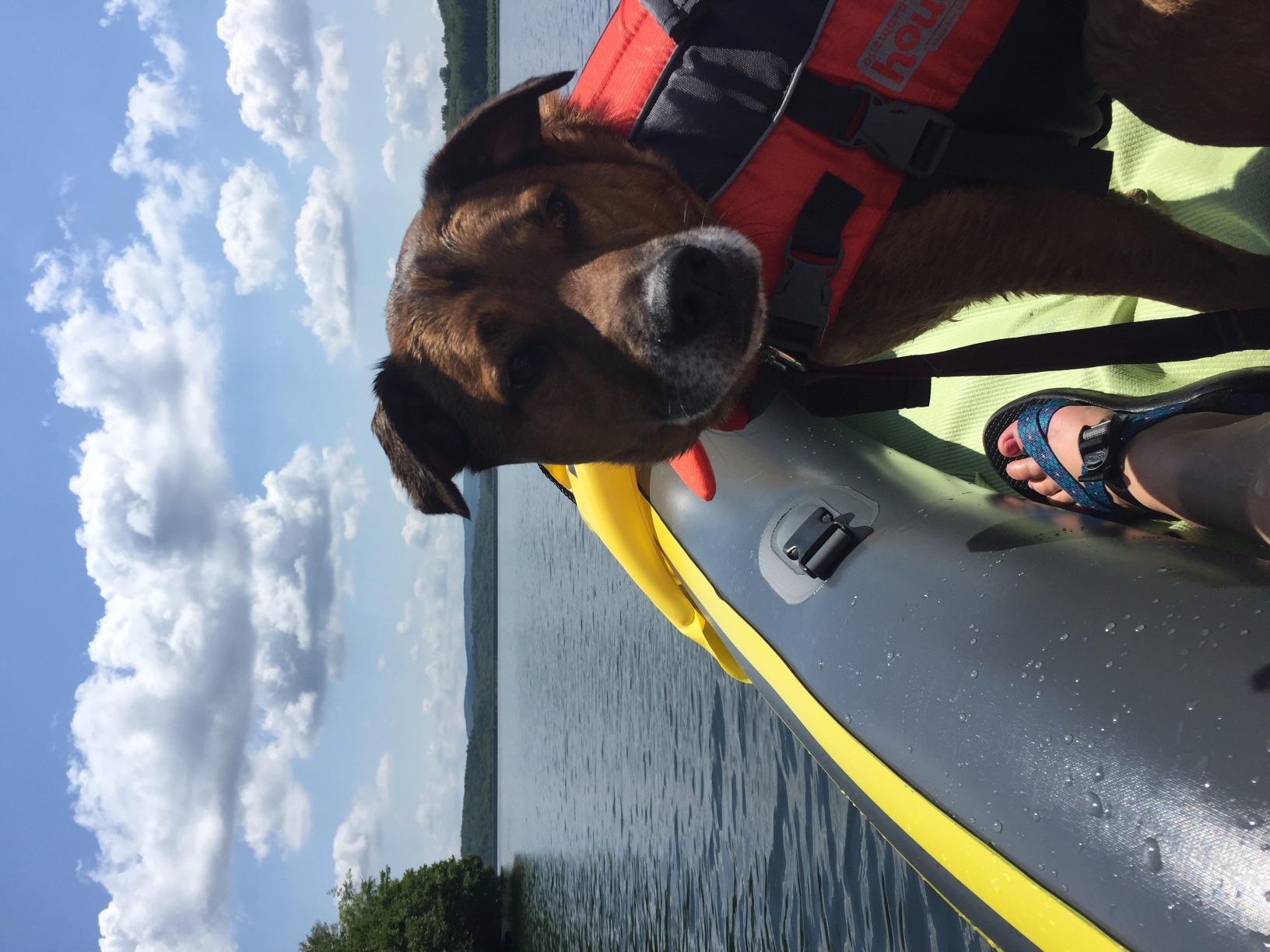
The Intex Explorer K2 represents the ideal entry point for anyone curious about kayaking without committing to a significant investment. I have recommended this inflatable kayak to numerous friends who wanted to try paddling before deciding whether to purchase a hard-shell boat. Its bright yellow color provides excellent visibility on the water, which is particularly important in areas with boat traffic.
What makes this kayak particularly suitable for Washington is its portability. Many of the state's best paddling destinations require driving forest service roads or navigating tight parking areas at trailheads. The Explorer K2 fits easily in any car trunk and inflates quickly at the water's edge. I have used it on Lake Chelan, Lake Union, and several smaller alpine lakes with excellent results.
The 400-pound capacity means two adults plus day-trip gear can paddle comfortably, though I recommend staying under 350 pounds for optimal performance. The removable skeg helps with tracking in a straight line, though you will need to experiment with removing it in shallow waters to avoid damage. For calm lakes and slow-moving rivers, this kayak performs admirably at a price point that is hard to beat.
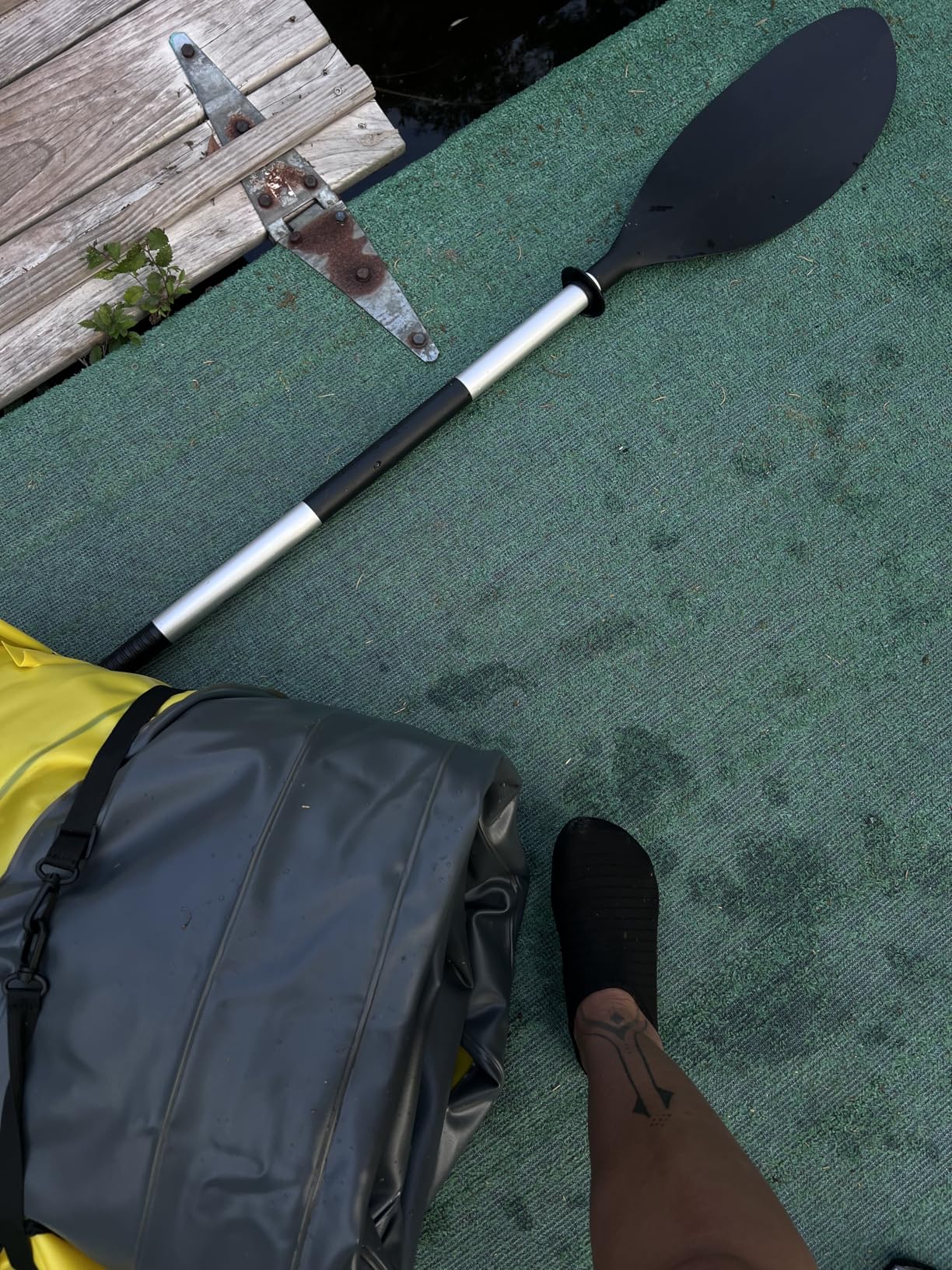
That said, the Explorer K2 does have limitations that Washington paddlers should understand. It is not suitable for Puget Sound, the San Juan Islands, or any environment with significant waves or boat wakes. The included paddles are adequate for casual use but serious paddlers will want to upgrade to higher-quality paddles after a few outings. The inflatable seats provide less back support than rigid seats, which can become uncomfortable on paddles lasting more than a few hours.
Ideal For
This kayak is perfect for beginners testing the waters, families looking for affordable recreation, and anyone who needs a portable option for car camping trips. It excels on protected lakes like Lake Sammamish, Rattlesnake Lake, and the calmer sections of the Columbia River.
Not Recommended For
Avoid using the Explorer K2 on Puget Sound, the open waters of Lake Washington on windy days, or any river with current exceeding Class I. It is also not suitable for cold-weather paddling where a spray skirt would be necessary for safety.
2. Perception Joyride 10 - Best for Beginners
Perception Kayaks Joyride 10 - Sit Inside Kayak for Adults and Kids - Recreational and Multi-Water...
10 ft sit-inside kayak
Sealed bulkhead for safety
Adjustable foot rests
Selfie slot for photos
42 lbs lightweight
275 lb capacity
+ Pros
- Sealed bulkhead provides flotation if capsized
- Very stable and tracks well
- Adjustable foot rests and comfortable seating
- Selfie slot is unique and functional
- Lightweight at 42 lbs for easy transport
- 5-year warranty shows manufacturer confidence
- Cons
- No drain plug included
- Only one set of front bungee straps
- Drink holders could be deeper
- Does not fit inside some vehicles
- Higher price point than entry-level kayaks
The Perception Joyride 10 hits a sweet spot that few recreational kayaks achieve. It provides the stability that beginners need while incorporating features that experienced paddlers appreciate, making it a boat you will not outgrow quickly. The sit-inside design offers better protection from Washington's notoriously chilly waters than any sit-on-top alternative.
What sets the Joyride apart is the sealed bulkhead in the stern. This feature provides two critical benefits: dry storage for gear and flotation if the boat capsizes. Many recreational kayaks lack bulkheads entirely, meaning they fill with water when flipped and are extremely difficult to re-enter. The Joyride's bulkhead creates an air pocket that keeps the bow afloat, making self-rescue significantly easier.
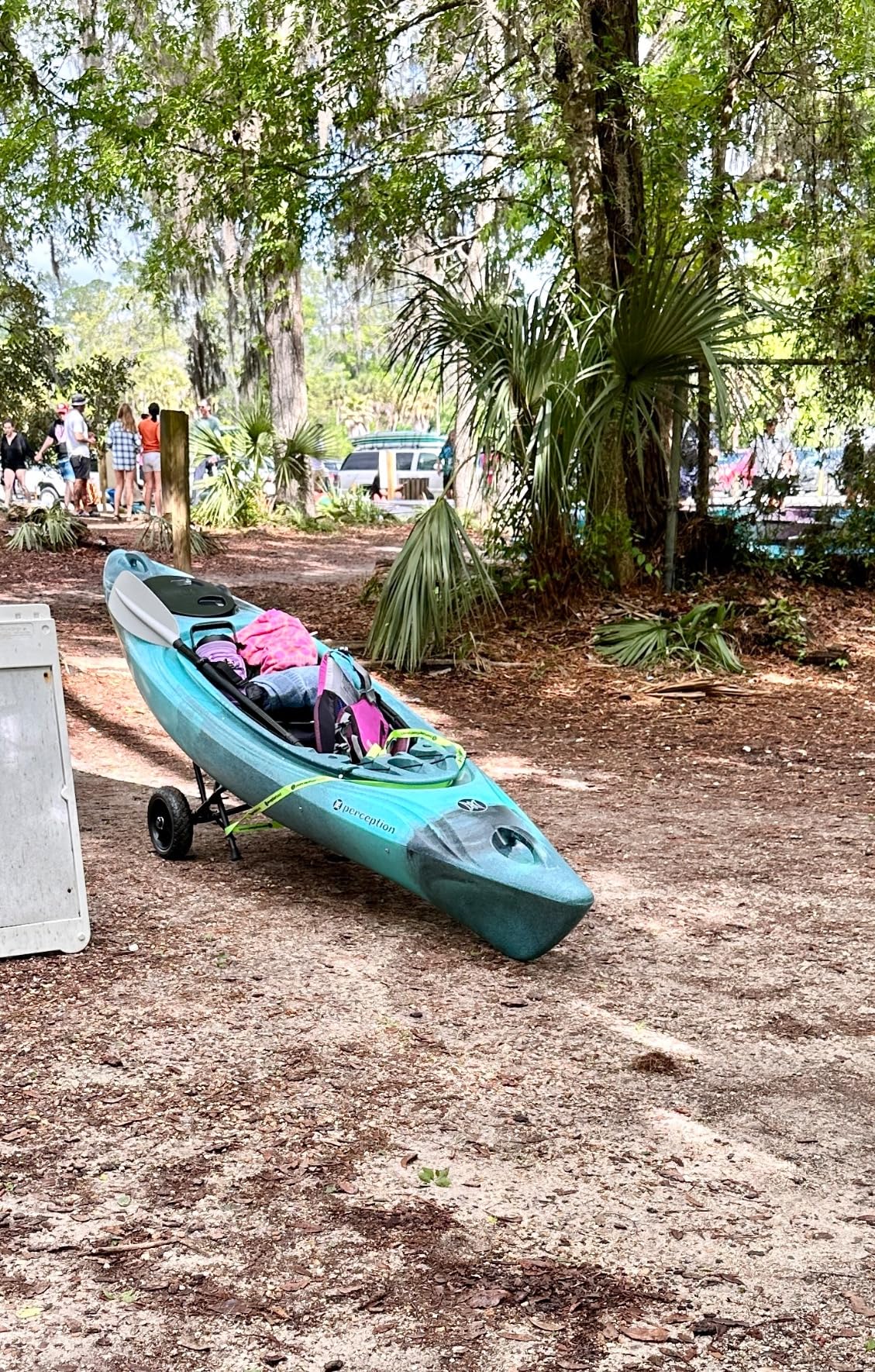
At 42 pounds, this kayak is light enough for most adults to carry solo from car to water. I have loaded it onto roof racks alone without difficulty, though a loading assist device makes the process even easier. The adjustable foot rests accommodate paddlers from roughly 5 feet to 6'6", making it a versatile option for families with multiple users.
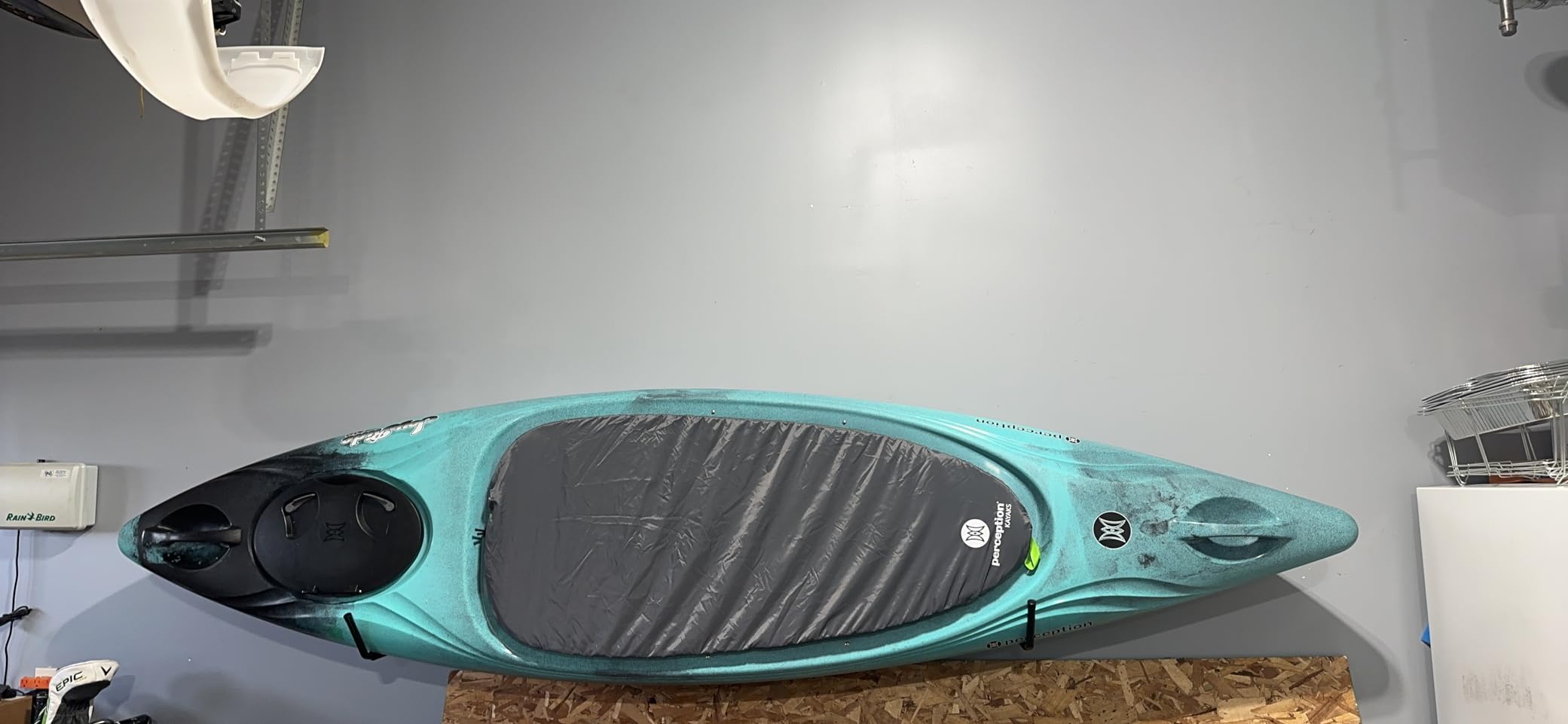
The built-in selfie slot is a genuinely useful feature for documenting your Washington paddling adventures. Positioned at the front of the cockpit, it accommodates smartphones and action cameras while keeping them within easy reach. The ability to capture photos without fumbling with dry bags makes it much more likely you will actually document those orca encounters and stunning mountain sunsets.
Ideal For
This kayak suits beginners who want room to grow, intermediate paddlers seeking a stable platform for photography and wildlife viewing, and anyone planning to paddle in cooler conditions where staying dry matters. It performs well on Puget Sound on calm days, Lake Washington, and rivers up to Class I.
Not Recommended For
The Joyride is not designed for serious whitewater (Class III and above) or extended open ocean crossings. The 10-foot length limits speed compared to longer touring kayaks, making it less ideal for multi-day expeditions where covering distance efficiently matters.
3. Sea Eagle 380X Explorer - Best for Open Water
Sea Eagle 380x Inflatable Kayak with Pro Package
12'6 professional inflatable
750 lb capacity
Self-bailing floor drains
Drop-stitch floor rigidity
Class IV whitewater rated
3-year warranty
+ Pros
- Extremely versatile - handles whitewater and open ocean
- Very stable - users report standing up possible
- Drop stitch floor provides hard-shell-like rigidity
- Self-bailing design perfect for Puget Sound
- Lightweight at 40 lbs despite large capacity
- Durable construction withstands Alaska conditions
- Cons
- Higher price point than casual inflatable kayaks
- Not Prime eligible - shipping may take longer
- Fewer total reviews than mainstream brands
- Setup requires learning proper inflation sequence
- Pro package accessories add to total cost
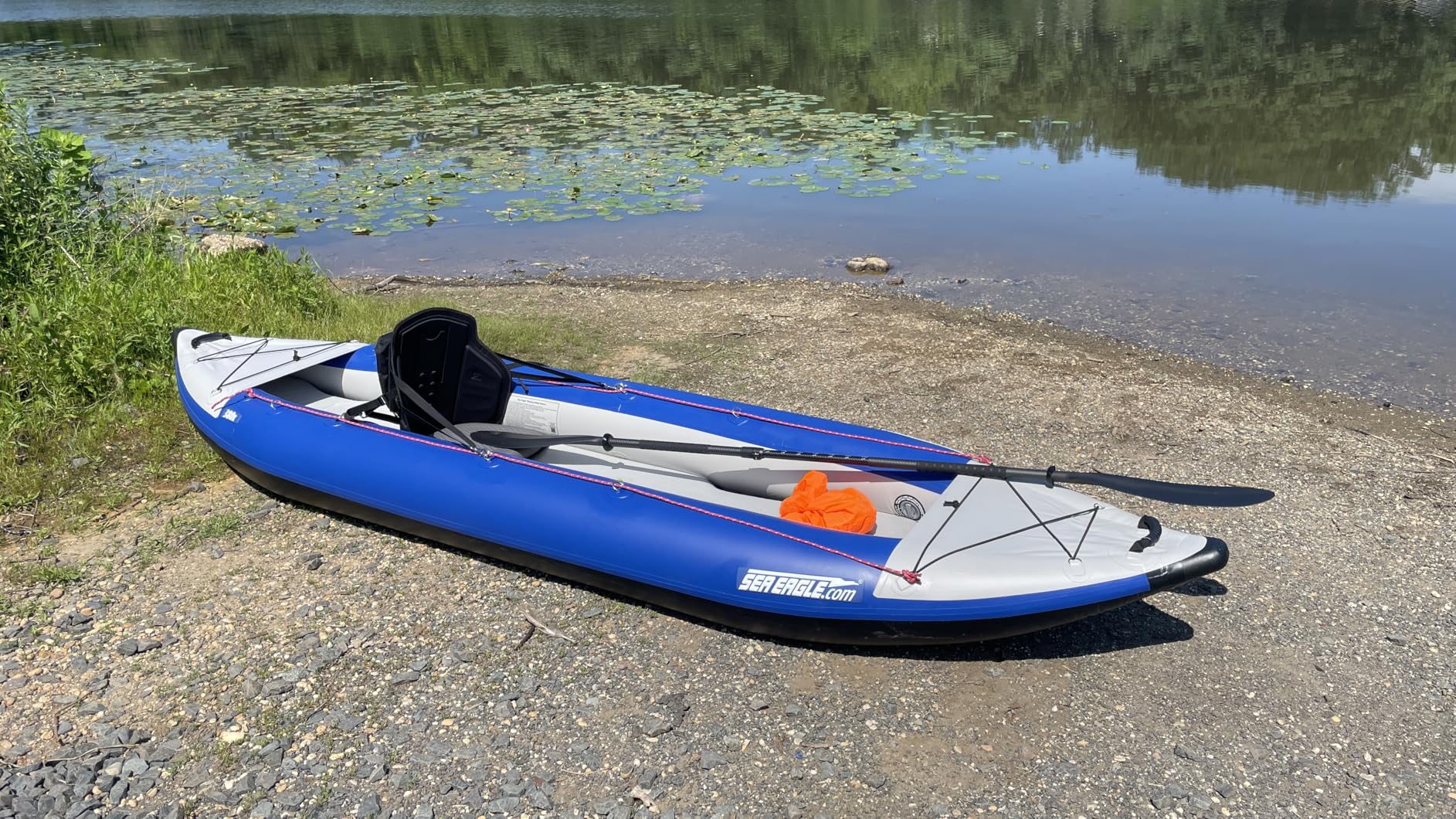
The Sea Eagle 380X represents the pinnacle of inflatable kayak technology and is my top recommendation for Washington paddlers who want one boat that can handle virtually anything the state throws at it. The drop-stitch floor construction creates a rigid surface that performs remarkably similarly to a hard-shell boat, while maintaining the portability that makes inflatables so appealing.
What truly distinguishes the 380X is its self-bailing design. Sixteen floor drains allow water to exit the boat automatically, making it suitable for conditions that would swamp conventional kayaks. This feature is particularly valuable in Puget Sound, where boat wakes and wind waves can splash water into the cockpit. The self-bailing capability means you stay drier and more comfortable even in choppy conditions.
The 750-pound capacity and 12'6 length make this boat suitable for extended expeditions with full camping gear. I have used it for multi-day trips in the San Juan Islands, loading it with tents, sleeping bags, food, and water for several days. Despite the load, the boat maintains good speed and tracking, especially with the removable skeg deployed.
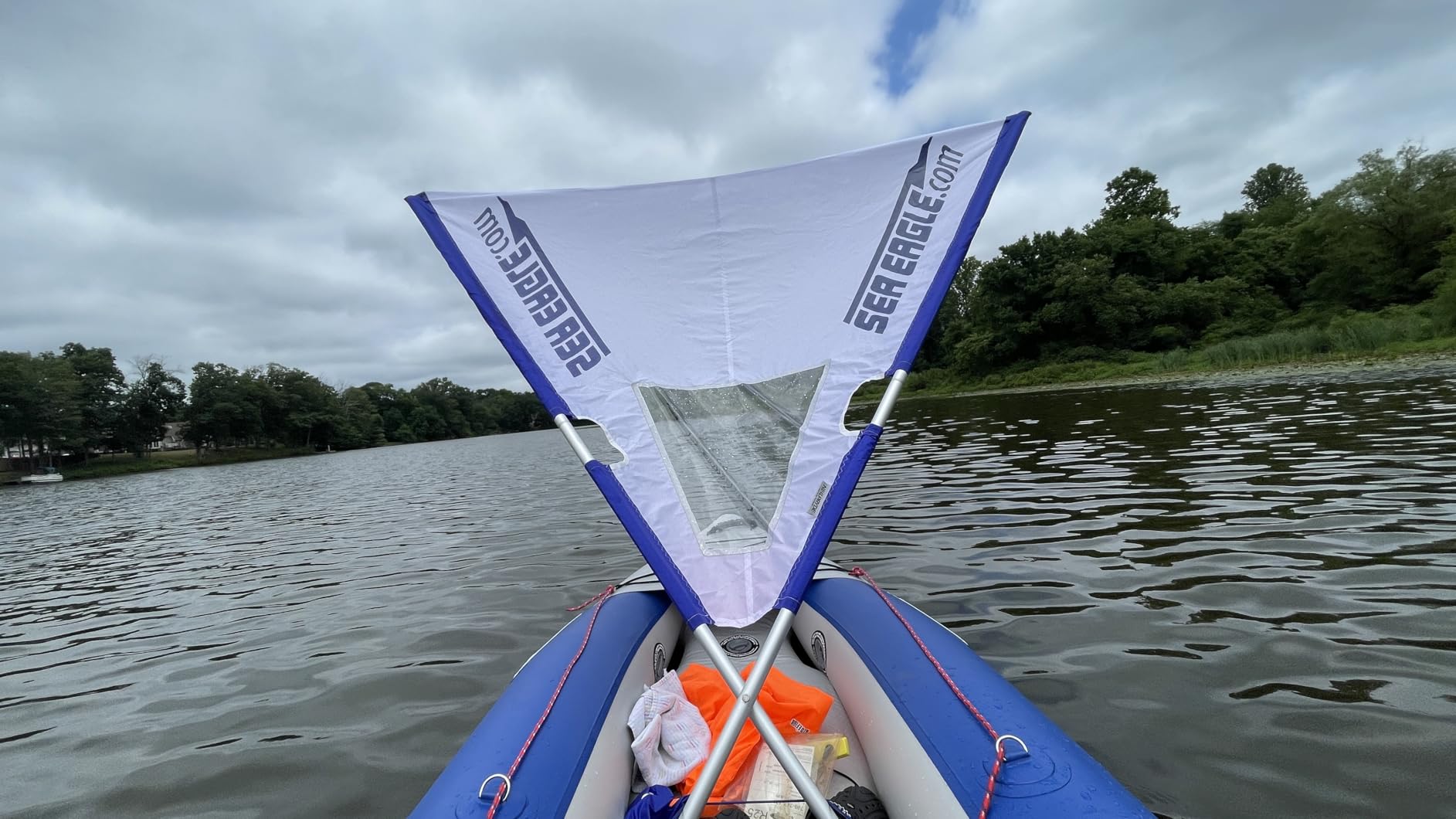
The 380X is rated for Class IV whitewater, which exceeds anything most Washington paddlers will encounter. This rating reflects the boat's rugged construction and stability in rough conditions. While I would not recommend it for extreme whitewater without proper training, it handles the wind waves and confused water conditions common in Deception Pass and exposed areas of the San Juans with confidence-inspiring stability.
Ideal For
This kayak is perfect for serious paddlers who want one boat for all Washington conditions, expedition kayakers planning multi-day camping trips, and anyone who lacks storage space for a hard-shell kayak but wants performance that rivals one. It excels in Puget Sound, the San Juan Islands, alpine lakes, and moderate whitewater rivers.
Not Recommended For
The 380X is overkill for casual lake paddlers who only go out a few times per year. The higher price point and learning curve for proper setup make it less suitable for beginners who are not sure if kayaking will become a regular activity.
4. Perception Rambler Tandem - Best for Families
Perception - Rambler 13.5 Recreational Kayak - Sit on Top Tandem Kayak - Storage with Tie Downs...
13'6 tandem sit-on-top
550 lb capacity
Center seat for child/pet
Multiple footrest positions
Large rear storage
Made in USA
+ Pros
- Very stable - excellent for families with kids
- Roomy enough for two adults plus child or dog
- Sit-on-top design makes getting on/off easy
- Multiple footrest positions accommodate different heights
- Good for fishing with ample storage space
- Works well solo from center position
- Cons
- Heavy at 78 lbs - difficult to load alone
- Center seat hardware not included for solo paddling
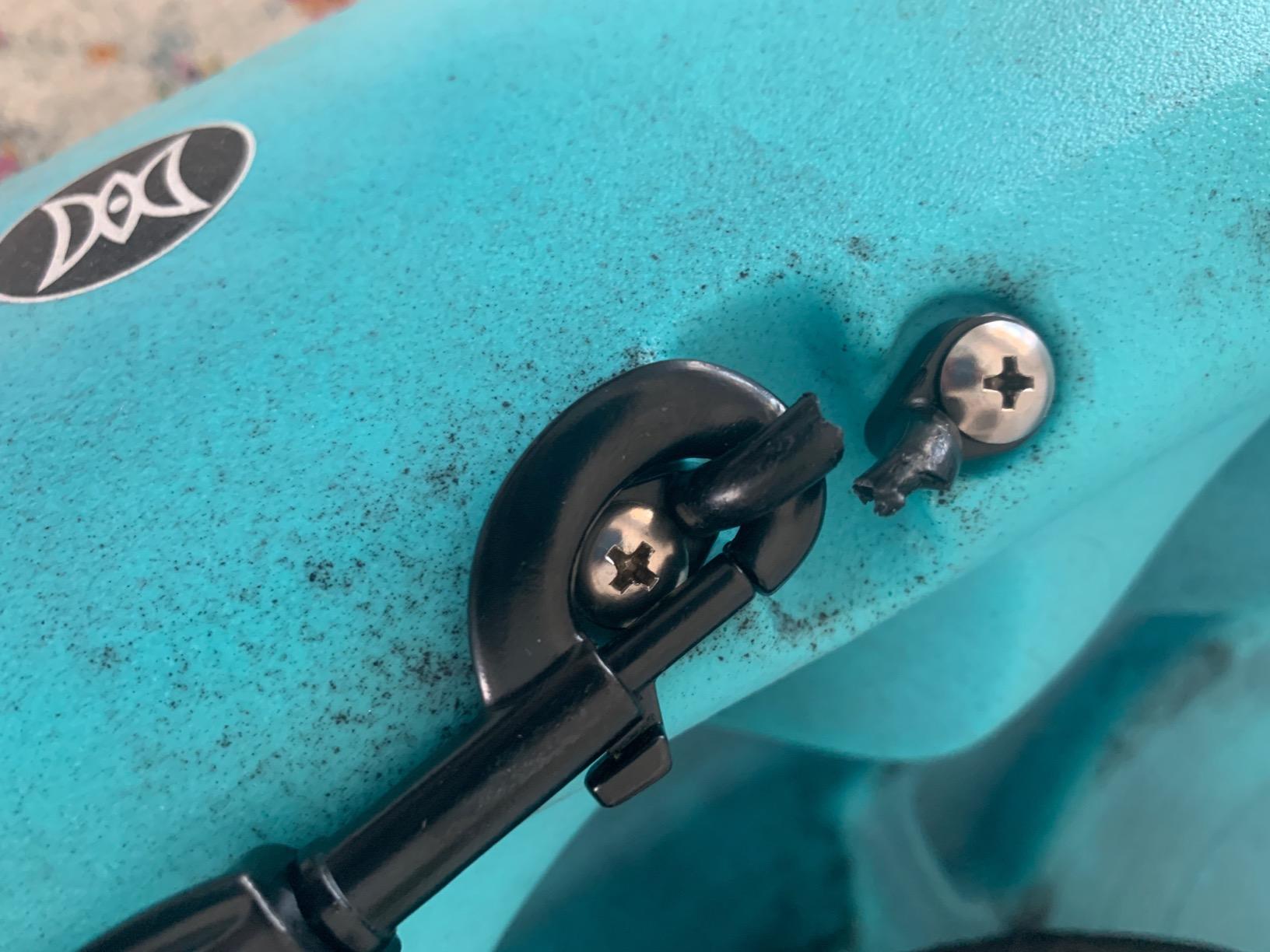
- Shipping can result in scratches/damage
- Seats could be more comfortable for long trips
- Large size makes storage challenging
The Perception Rambler addresses a specific need that many Washington families face: finding a kayak that can safely and comfortably accommodate children or pets while remaining stable enough for inexperienced paddlers. The tandem design with a molded center seat creates a platform that genuinely works for family adventures.
The sit-on-top design is crucial for family use because it eliminates the risk of entrapment that concerns many parents. If the boat tips, everyone simply falls into the water and can climb back on easily. The wide, stable hull design resists tipping in the first place, giving parents confidence when bringing young children along. I have watched families with children as young as four enjoy successful outings on Lake Washington and the protected areas of Puget Sound using this kayak.
The 550-pound capacity is realistic for two adults plus gear, or two adults with a child or medium-sized dog in the center seat. The molded center position is designed specifically for this purpose, with a lower seating position that creates a more stable center of gravity. The large rear tankwell accommodates coolers, fishing gear, or dry bags with plenty of room to spare.
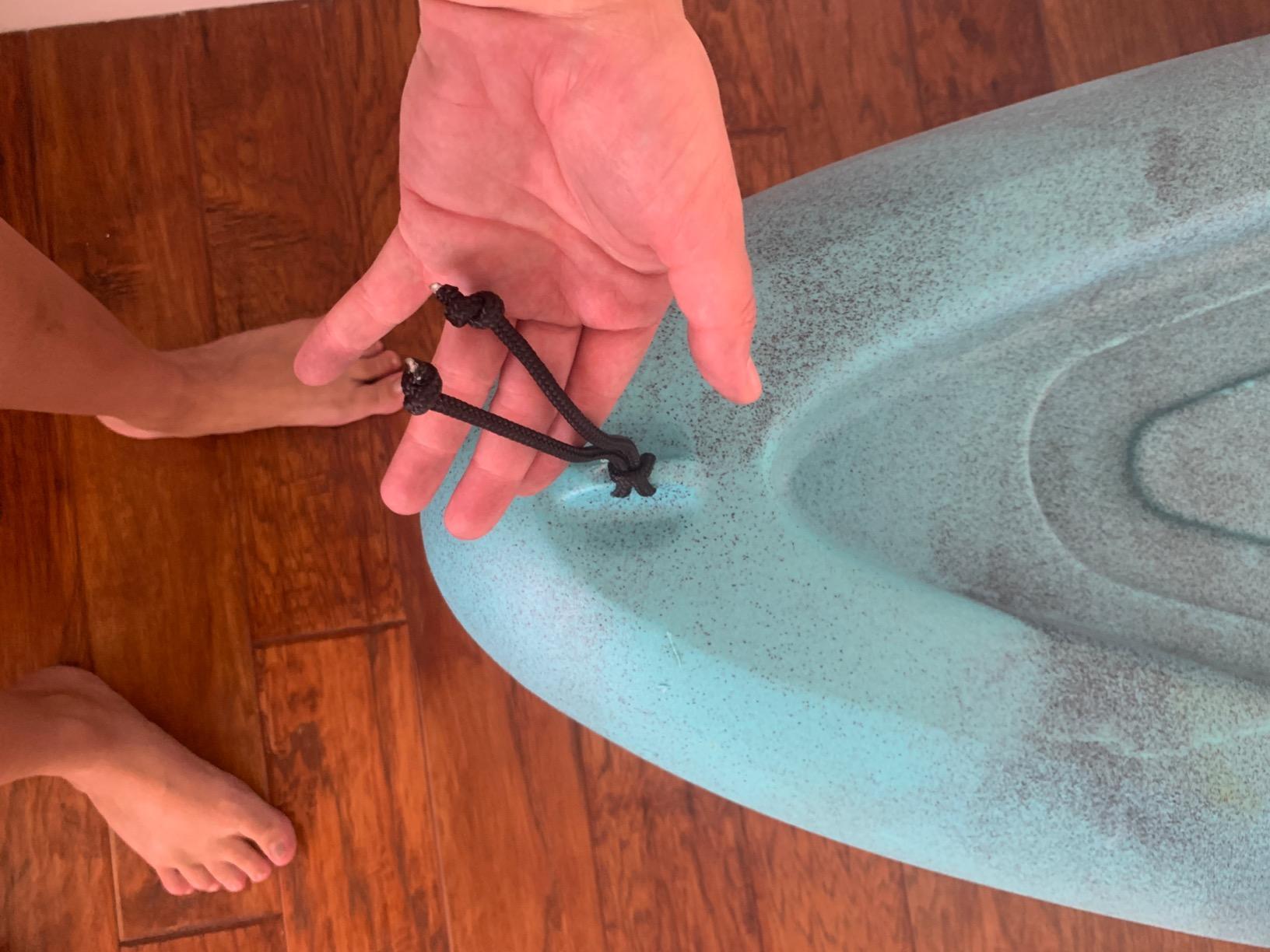
At 78 pounds, this is not a kayak you will easily load onto a roof rack by yourself. A trailer, kayak cart for transport from car to water, or two-person loading system is practically necessary. However, once at the water's edge, the boat's performance justifies the transport challenges. It tracks reasonably well for its length, handles boat wakes without concern, and provides a comfortable platform for hours of family enjoyment.
Ideal For
This kayak is perfect for families with young children, paddlers who frequently bring dogs along, and fishing enthusiasts who want stability and storage space. It performs well on Lake Chelan, Lake Sammamish, Lake Union, and the protected waters of southern Puget Sound.
Not Recommended For
The Rambler is not suitable for long-distance touring or open ocean conditions. Its width creates drag that makes covering miles inefficient, and the sit-on-top design leaves paddlers exposed to cold water temperatures in shoulder season conditions.
5. Wilderness Systems Tsunami 125 - Best Touring Kayak
Wilderness Systems Tsunami 125 - Sit Inside Touring Kayak - Multiple Storage Options - 12.6 ft...
12'9 sit-inside touring kayak
Phase 3 AirPro seat
2 sealed hatches for storage
Excellent tracking
300 lb capacity
Chined hull design
+ Pros
- Excellent comfort with best-in-class seat design
- Great tracking and glide performance
- Outstanding secondary stability when edged
- Good foot room accommodates larger paddlers
- Two sealed bulkheads provide storage and safety
- Chined hull makes edging easy and stable
- Cons
- At 51 lbs may feel heavy during transport
- Some customers reported delivery damage issues
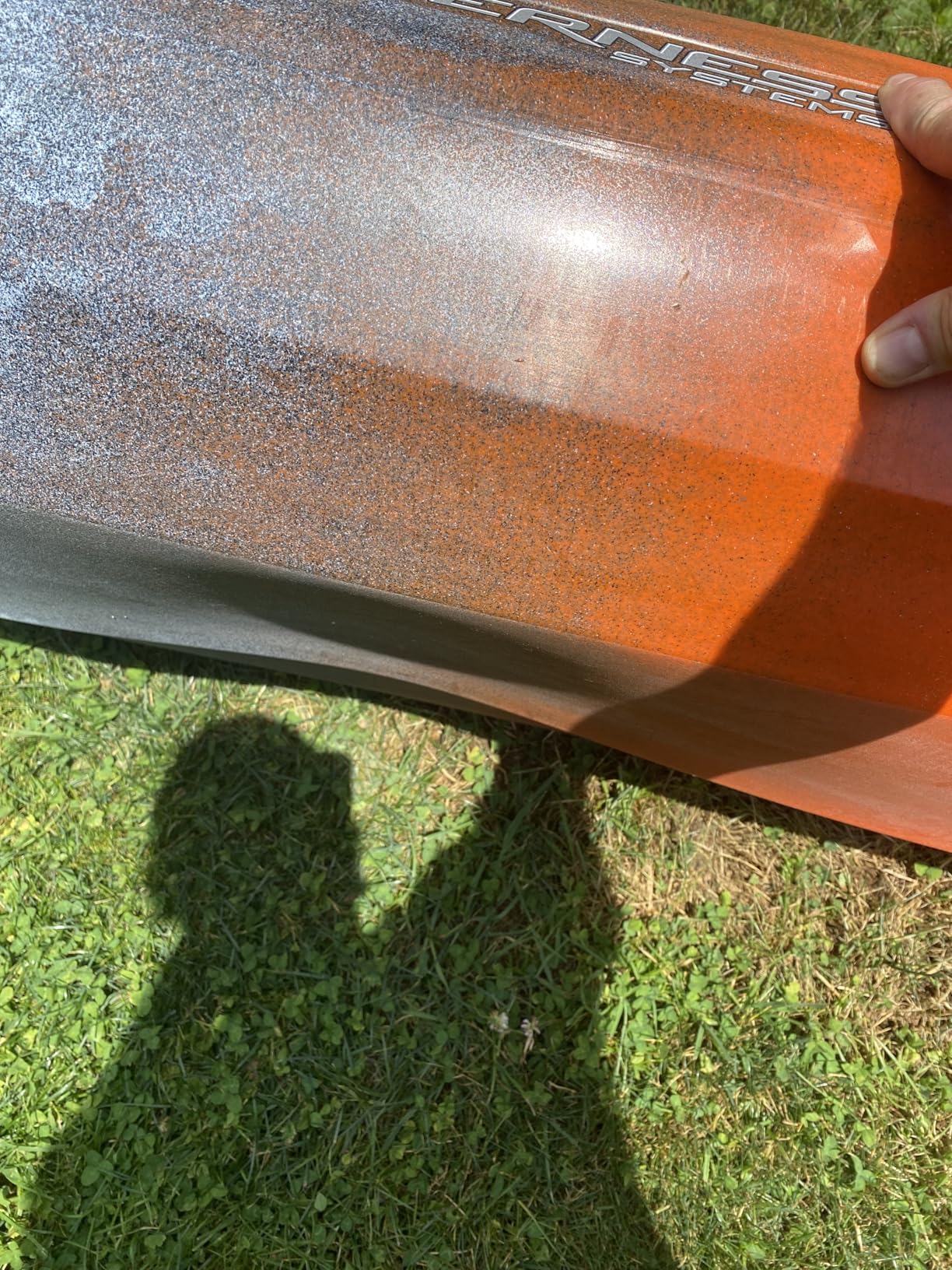
- Quality control concerns on specific units
- Tighter cockpit than some competing models
- Premium price point for casual paddlers
The Wilderness Systems Tsunami 125 occupies a unique position in the touring kayak market. It provides the performance and features of longer sea kayaks in a more manageable 12'9 length that remains practical for day trips and shorter paddlers. For Washington waters specifically, this design philosophy makes perfect sense, allowing paddlers to enjoy the tracking and efficiency of a touring boat while retaining maneuverability for exploring tight coves and navigating around the San Juan Islands.
The Phase 3 AirPro Tour seat deserves the reputation it has earned among serious paddlers. Unlike basic recreational seats that cause discomfort after an hour, this seat supports proper posture and allows for all-day comfort. The adjustable thigh braces and foot rests create a connection with the boat that enables efficient edging and turning techniques essential for handling wind and current.
Two sealed bulkheads provide over 100 liters of dry storage capacity, enough for overnight camping trips or full day-trip provisions. The bow and stern hatches are watertight and easily accessible from the cockpit, making it simple to grab cameras, snacks, or rain gear without landing. The deck bungee rigging provides additional quick-access storage for maps, gloves, or a paddle float.
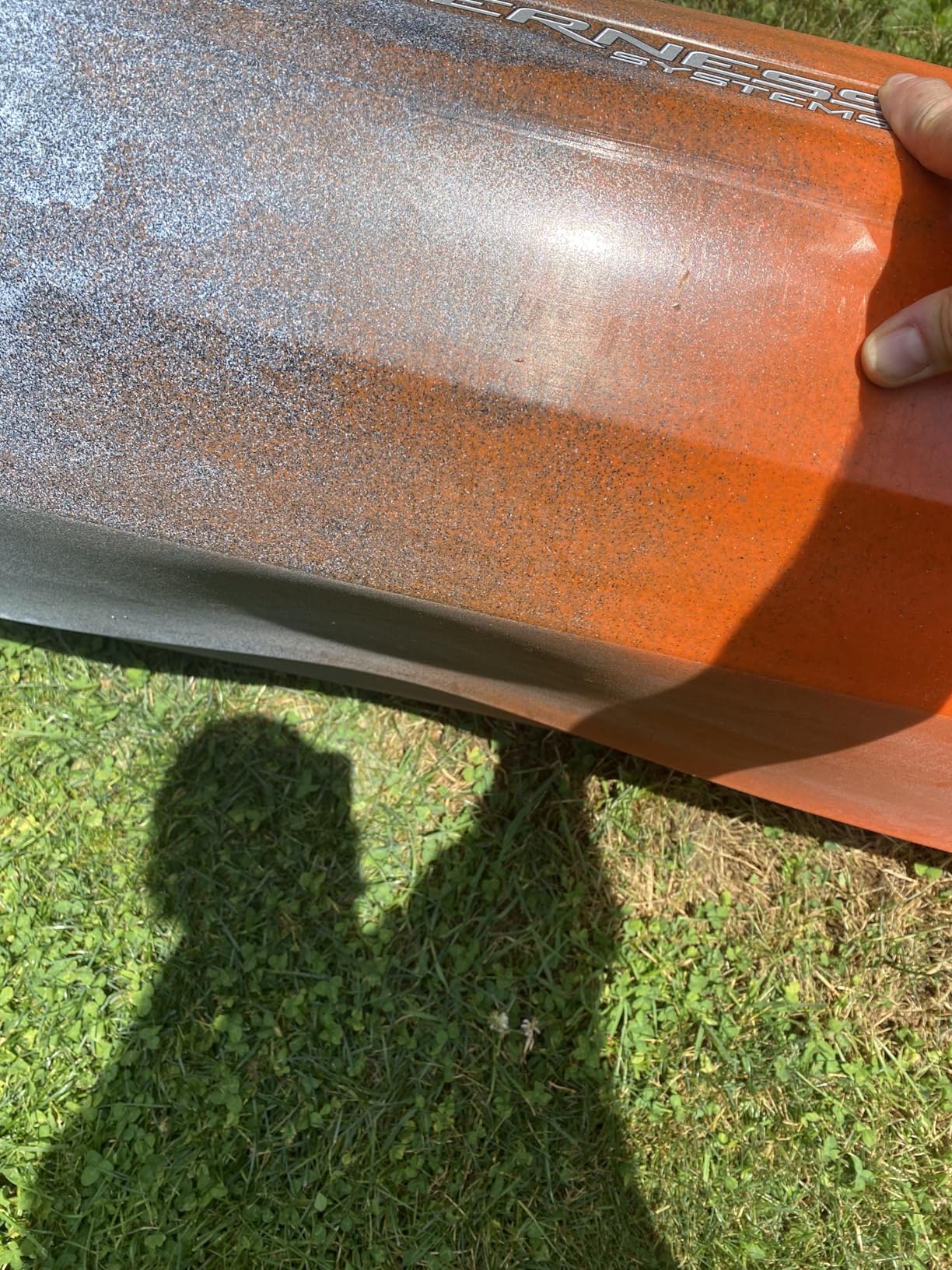
The chined hull design creates distinct handling characteristics that benefit intermediate and advanced paddlers. When the boat is held upright, it tracks straight and efficiently. When edged by shifting weight onto one hip, the chine engages and the boat carves turns smoothly. This capability makes the Tsunami 125 remarkably versatile, equally comfortable in confused chop off Deception Pass or glassy calm on Lake Crescent.
Ideal For
This kayak is perfect for intermediate paddlers ready to advance their skills, anyone planning multi-day camping trips in the San Juans or coastal waters, and paddlers seeking a boat that can handle challenging conditions with confidence. It excels in Puget Sound, the Strait of Juan de Fuca, and exposed areas of the San Juan Islands.
Not Recommended For
The Tsunami 125 is not ideal for total beginners who have not yet developed basic paddling skills and rescue techniques. The tighter cockpit makes wet exits and re-entries more challenging than recreational alternatives, and the price point represents a significant investment for someone unsure about their commitment to the sport.
Safety Protocols for Washington Waters
Washington's waters demand respect and preparation. The combination of cold water temperatures, rapidly changing weather, and marine traffic creates risks that every paddler must understand and mitigate. The good news is that proper preparation and adherence to established safety protocols dramatically reduce these risks.
Understanding the 120 Rule
The 120 Rule is a critical safety guideline that every Washington paddler should internalize. It states that if the combined air and water temperature is less than 120 degrees Fahrenheit, you are at risk of cold water shock and hypothermia if immersed. Given that Puget Sound water temperatures rarely exceed 55 degrees even in summer, and air temperatures on the coast often hover in the 60s, Washington paddlers are almost always operating under conditions where the 120 Rule indicates significant risk.
Cold water shock is a physiological response that occurs when the body is suddenly immersed in cold water. It triggers an involuntary gasp reflex, hyperventilation, and impaired judgment that can lead to drowning even in strong swimmers. Hypothermia sets in as the body loses heat to the water, with the initial stages causing loss of coordination and decision-making ability. Understanding these risks is the first step in preventing them.
Essential Safety Equipment
Every kayak outing in Washington requires a core set of safety equipment, regardless of how brief or seemingly benign the paddle appears. The foundation is a properly fitted personal flotation device (PFD), worn at all times on the water. Modern kayaking PFDs are comfortable, do not restrict movement, and provide essential insulation as well as flotation. Choose a model designed specifically for paddling, with a high back that clears kayak seats and pockets for storing a whistle, knife, and other essentials.
A whistle attached to your PFD serves as your primary signaling device in an emergency. The sound carries much farther than a human voice and requires minimal energy to use. Three long blasts represent the universal distress signal. A waterproof headlamp or flashlight provides visibility if you are caught on the water after dark, and a signaling mirror can attract attention from search aircraft or distant boats.
For sea kayaking in Puget Sound and the San Juans, additional equipment becomes necessary. A bilge pump allows you to empty water from the cockpit after a wet exit. A paddle float attaches to one blade of your paddle to create an outrigger for stability during solo re-entry. A spray skirt keeps waves from filling the cockpit and provides significant protection from cold water exposure. A tow line system enables you to assist a fatigued or injured paddling partner.
Weather and Tide Awareness
Checking conditions before launching is non-negotiable for safe kayaking in Washington. For marine waters, the National Weather Service provides detailed marine forecasts that include wind speed and direction, wave height, and visibility. Pay particular attention to small craft advisories, which indicate conditions dangerous for kayaks and other small vessels.
Tide tables are essential for any paddling in Puget Sound, the San Juan Islands, or coastal areas. Tidal currents can flow at speeds exceeding a kayaker's maximum paddling speed, making it impossible to make headway against the flow in narrow channels. Deception Pass, the Tacoma Narrows, and several passages within the San Juan Islands require careful tide planning. Smartphone apps like AyeTides or printed tide charts from NOAA help paddlers plan trips during favorable current windows.
Weather in Washington can change rapidly, particularly in mountain areas and near the coast. Morning calm can give way to afternoon winds as the land heats up, creating challenging paddling conditions for the return trip. Always plan your route with the prevailing conditions in mind, and have an escape plan that allows you to reach safety quickly if conditions deteriorate.
Tips for an Enjoyable Kayaking Experience
Beyond safety and equipment, several practical considerations can make the difference between a mediocre outing and an unforgettable adventure. These tips come from years of paddling Washington waters and learning from both successes and mistakes.
Advice for First-Time Paddlers
If you are new to kayaking, start with a guided tour or lesson from a reputable outfitter. Organizations like the Washington Water Trails Association, various paddling clubs, and commercial operators offer instruction that covers basic strokes, safety procedures, and local knowledge. This foundation prevents the development of bad habits and builds confidence more quickly than trial and error.
Choose your first location carefully. Calm lakes with minimal boat traffic and easy shore access allow you to focus on learning without worrying about waves, currents, or difficult landings. Lake Sammamish, Rattlesnake Lake, and the protected bays of Lake Washington near Magnuson Park are excellent training grounds. Avoid the temptation to head straight for the San Juan Islands or other iconic destinations until you have developed solid foundational skills.
Practice wet exits and re-entries in a controlled environment before you need these skills in an emergency. Many outfitters offer pool sessions where you can learn to exit a capsized kayak and get back in without the added stress of cold water or waves. These skills are not intuitive and require practice to perform efficiently when it matters.
Perfecting Your Paddling Technique
Efficient paddling technique conserves energy, reduces fatigue, and makes covering distance more enjoyable. The fundamental forward stroke engages your core muscles rather than relying on arm strength alone. Rotate your torso with each stroke, using the large muscles of your back and abdomen rather than straining your shoulders and biceps. This technique allows you to paddle for hours without the exhaustion that comes from arm-only paddling.
Hold your paddle with a light grip, just tight enough to maintain control without white knuckles. A death grip creates unnecessary fatigue and can lead to repetitive strain injuries over time. Let your hands slide slightly on the shaft during the stroke rather than maintaining a fixed position. These small technique details accumulate into significant comfort differences over long paddles.
Learn the sweep stroke for turning your kayak efficiently. Unlike forward strokes that propel you straight, the sweep stroke traces a wide arc through the water, creating leverage that turns the boat. Forward sweeps turn the bow away from the paddle side, while reverse sweeps turn the bow toward the paddle side. Mastering these turns allows you to navigate tight spaces and adjust your heading without losing momentum.
For families and groups, establish communication signals before launching. Hand signals work well when voice communication is difficult due to wind or distance. Agree on signals for stopping, turning around, assistance needed, and all clear. This simple preparation prevents confusion and ensures everyone stays together and safe.
Frequently Asked Questions
Where to kayak in Washington state?
Washington offers exceptional kayaking across diverse regions. Top destinations include the San Juan Islands for orca watching and sea kayaking, Lake Chelan for fjord-like scenery, the Columbia River Gorge for whitewater and scenic paddling, Deception Pass State Park for dramatic tidal conditions, and the alpine lakes of the North Cascades accessible via packrafting. Urban paddlers enjoy Lake Union and Lake Washington in Seattle, while the Hood Canal provides unique fjord-like experiences. Each region requires different skill levels and permits, from the Discover Pass for state parks to the Northwest Forest Pass for federal lands.
What is the 120 rule in kayaking?
The 120 Rule is a cold water safety guideline stating that if the combined air and water temperature is less than 120 degrees Fahrenheit, paddlers face serious risk of cold water shock and hypothermia if immersed. In Washington, Puget Sound water temperatures rarely exceed 55 degrees even in summer, meaning the 120 Rule almost always applies. This rule indicates when paddlers should wear wetsuits or drysuits for protection. Cold water shock causes an involuntary gasp reflex and impaired judgment that can lead to drowning even in strong swimmers, making proper thermal protection essential for Washington waters.
Do I need a permit to kayak in Washington?
Several permits may be required depending on your destination. The Discover Pass ($35 annually or $11.50 daily) is required for vehicle access to Washington State Parks and Department of Natural Resources sites, including popular paddling destinations like Deception Pass and Lake Chelan State Park. The Northwest Forest Pass ($30 annually) covers federal forest lands and trailheads accessing alpine lakes. National Park areas like Olympic National Park require the America the Beautiful Pass ($80 annually) or separate entrance fees. Some specific lakes require additional camping permits for overnight stays. Always check current requirements before your trip as regulations change.
Can kayaking cause sciatica?
Improper kayaking technique can aggravate sciatica or cause similar lower back and leg pain. The seated position in kayaks, combined with poor posture and twisting motions during paddling, can compress the sciatic nerve. Prevention includes maintaining proper posture with an upright torso, using a kayak with adequate back support, taking regular stretch breaks during long paddles, and strengthening core muscles to support the lower back. Paddlers with existing sciatica should choose kayaks with highly adjustable ergonomic seats, consider sit-on-top designs that allow position changes, and limit initial outings to short durations. If pain persists, consult a medical professional and consider physical therapy targeted at paddling-specific movements.
What do I need to bring on a kayak trip to Washington?
Essential gear includes a U.S. Coast Guard-approved life jacket (PFD) worn at all times, a whistle attached to your PFD for signaling, appropriate clothing for cold water conditions (following the 120 Rule), a dry bag with spare clothing layers, sun protection including sunscreen and a hat, sufficient water and snacks, a first aid kit, and a means of communication such as a waterproof phone case or VHF radio for sea kayaking. For longer trips, add a bilge pump, paddle float, headlamp, navigation tools (map, compass, or GPS), and a tow belt. Check weather and tide information before departing and always file a float plan with someone on shore.
Can I kayak in Washington year-round, or is there a specific season?
Skilled paddlers with proper cold water gear can kayak year-round in Washington, but beginners should target late spring through early fall (May through October) for the most forgiving conditions. Peak season runs June through August with warmest temperatures and calmest waters, though popular spots become crowded. Spring (April-May) offers spectacular waterfalls and wildflowers but requires monitoring river flows from snowmelt. Autumn (September-November) provides fewer crowds, fall colors, and stable weather patterns. Winter paddling is possible in sheltered waters but demands wetsuits or drysuits, hypothermia prevention knowledge, and strict attention to weather windows. Each season offers unique rewards for prepared paddlers.
Is it safe to kayak alone in Washington?
While not prohibited, solo kayaking in Washington requires advanced skills, thorough preparation, and increased risk awareness. Experienced solo paddlers should have self-rescue skills including wet exits and re-entries, carry appropriate safety equipment, file detailed float plans with shore contacts, and stick to well-traveled routes where assistance is available if needed. Conditions can change rapidly, and having a partner provides crucial backup for equipment failures, medical emergencies, or changing weather. Beginners should never kayak alone; always paddle with a group or guided tour until developing solid skills and judgment. Popular solo destinations include busy lakes and protected bays where other boaters are present.
What should beginners know before they go kayaking for the first time?
Beginners should start on calm, protected waters like small lakes with minimal boat traffic, take a lesson from a qualified instructor to learn proper strokes and safety procedures, understand the 120 Rule and dress appropriately for cold water, practice wet exits and re-entries in controlled conditions before needing the skill in an emergency, learn to check weather and tide information, and choose appropriate equipment including a properly fitted PFD worn at all times. Start with shorter outings (2-3 hours) to build endurance and comfort, paddle with a buddy or group rather than solo, and have realistic expectations about initial skill development. Consider renting before buying to understand what kayak type suits your needs.
Conclusion
Kayaking in Washington offers experiences that simply cannot be replicated elsewhere. From the bioluminescent waters of the San Juan Islands to the turquoise depths of Diablo Lake, from the historic Columbia River Gorge to the urban waterways of Seattle, this state provides paddlers with a lifetime of exploration opportunities. The combination of stunning scenery, diverse wildlife, and accessible waterways creates conditions where beginners can develop their skills while experts find endless challenges.
Success on Washington waters comes down to preparation and respect for the environment. Understanding permit requirements like the Discover Pass and Northwest Forest Pass ensures smooth access to your chosen destination. Following the 120 Rule and dressing appropriately for cold water protects you from the most significant risk Washington paddlers face. Investing in quality equipment matched to your specific needs, whether that is a budget-friendly inflatable for casual lake outings or a performance touring kayak for coastal expeditions, enhances both safety and enjoyment.
The paddling community in Washington is welcoming and supportive, with numerous clubs, organizations, and outfitters ready to help newcomers get started. Whether you choose to launch from a busy beach in downtown Seattle or hike into a remote alpine lake with a packraft on your back, you are joining a tradition of exploration that stretches back thousands of years in these waters. There has never been a better time to discover why Washington consistently ranks among the world's premier kayaking destinations.
Key Takeaways for Your Washington Kayaking Adventure
- Washington offers unmatched diversity, from sea kayaking in the San Juans to alpine lake packrafting in the Cascades
- Permit requirements vary by location: Discover Pass for state parks, Northwest Forest Pass for federal lands, America the Beautiful Pass for national parks
- The 120 Rule matters year-round: combined air and water temperature below 120 degrees demands thermal protection
- Choose equipment suited to your primary paddling environment, from stable recreational kayaks to performance touring boats
- Start on calm waters, take lessons from qualified instructors, and never paddle alone as a beginner
- Check tides and weather before every outing, and always file a float plan with someone on shore
Your paddle is waiting. The waters of Washington are calling. See you on the water.