
How to Stand on a Paddleboard: Beginner's Guide (October 2026)
Stand up paddleboarding (SUP) has become one of the fastest growing water sports worldwide, attracting everyone from fitness enthusiasts to families seeking weekend adventures on the water. Whether you are drawn to the peaceful glide across a calm lake at sunrise or the full-body workout that tones your core while connecting with nature, learning how to stand on a paddleboard opens up a world of aquatic possibilities.
Many beginners feel intimidated by the prospect of balancing on a floating board, but the truth is that most people can master the basics within their first session. This comprehensive guide breaks down everything you need to know about standing on a paddleboard, from selecting the right equipment and essential safety gear to executing the perfect kneeling-to-standing transition. By following these proven techniques and avoiding common pitfalls, you will gain the confidence to stand tall and paddle smoothly across any body of water.
Pre-Paddling Preparation: Setting Yourself Up for Success
Before you even step onto your board, proper preparation makes the difference between a frustrating first attempt and a successful standing session. Many beginners rush past this stage, eager to get on the water, only to struggle because their equipment or environment is not suited for learning.
Choosing Your First Board
For beginners learning how to stand on a paddleboard, board selection is arguably the most important factor in your success. An all-arounder board typically measuring 10 to 12 feet in length and 32 to 34 inches in width provides the stability you need as you develop your balance skills. Wider boards offer more stability but sacrifice some speed and tracking ability, which is a worthwhile trade-off when you are first starting out.
If you are considering choosing the right paddle board for beginners, look for boards with a weight capacity that comfortably exceeds your body weight plus any gear you might carry. Inflatable SUP options have become increasingly popular for beginners because they offer excellent stability, are forgiving when you fall, and store easily when not in use. Just ensure your inflatable board is fully inflated to the recommended PSI, as under-inflation significantly reduces stability and makes standing much more difficult.
Essential Safety Gear
Safety should never be an afterthought when paddleboarding. A personal flotation device (PFD), also known as a life vest or life jacket, is essential for all paddlers regardless of swimming ability. Many beginners opt for inflatable belt PFDs that stay out of the way while paddling but deploy instantly when needed. Check your local regulations, as some areas require PFDs by law.
A paddleboard leash keeps you connected to your board if you fall, preventing the board from drifting away while you are in the water. Coiled leashes are ideal for flat water paddling as they stay on the deck and do not drag in the water. Straight leashes work better for surf or ocean conditions where you want the board to stay farther from you in waves. Always attach the leash to your ankle or calf before launching.
Additional safety essentials include a whistle for signaling, sunscreen and UV-protective clothing, and plenty of water to stay hydrated. Paddleboarding is a physical activity, and dehydration can affect your balance and judgment on the water.
Finding the Sweet Spot on Your Board
Every paddleboard has a sweet spot where the board sits most level in the water, providing optimal stability. This position is typically centered around the carry handle, which manufacturers place at the board's balance point. When you stand in this sweet spot, the board remains flat and stable. Standing too far forward causes the nose to dig into the water, while standing too far back lifts the nose and makes the board feel tippy and difficult to control.
Practice finding this position while kneeling first. The board should feel stable and level, not tilting in either direction. Take mental note of where your knees rest relative to the handle, as this is exactly where your feet will go when you stand. Understanding your board's sweet spot before attempting to stand significantly improves your success rate.
How to Hold Your Paddle Correctly
Proper paddle technique starts with holding the paddle correctly, yet this is one of the most common mistakes beginners make. Holding the paddle wrong not only reduces your efficiency and power but can also throw off your balance when you are trying to stand.
Paddle Sizing and Grip
The correct paddle length places your top hand at eye level when you stand the paddle vertically in front of you. A general rule of thumb is to add 8 to 10 inches to your height for flat water paddling. Adjustable paddles are excellent for beginners because they allow you to fine-tune the length as you develop your technique.
Your top hand grips the T-grip at the end of the paddle shaft, while your bottom hand holds the shaft approximately shoulder-width apart from your top hand. This spacing allows for a comfortable reach and powerful strokes without overextending. Keep your grip relaxed rather than white-knuckled, as a tight grip causes rapid fatigue and reduces your feel for the water.
Blade Orientation
The paddle blade has a distinct angle, and beginners often hold it backward. The blade should angle forward, away from you, with the convex side facing toward you. This orientation allows you to scoop and pull water efficiently with each stroke. When you hold the paddle correctly, the blade enters the water at a forward angle and exits cleanly, providing maximum propulsion and stability.
Practice holding the paddle across the board in front of you while kneeling, with your hands positioned over the shaft. This paddle-across-board technique gives you something stable to grip as you prepare to stand, acting as a third point of contact alongside your knees for enhanced stability during the transition.
Step-by-Step Guide to Standing on a Paddleboard
Ready to master the art of standing on a paddleboard? The key is a gradual, controlled transition that maintains your balance throughout. Rushing the process or trying to stand up in one explosive motion often leads to immediate falls. Instead, follow these proven steps that have helped countless beginners find their feet on the water.
1. Starting Position
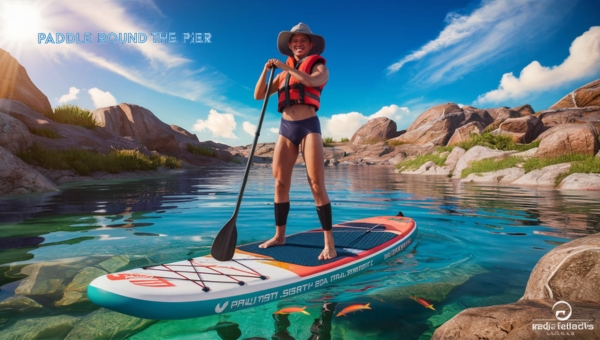
To begin, start on your knees in the center of the board. This position helps you find your balance before attempting to stand. Position yourself with your knees on either side of the carry handle, ensuring your weight is evenly distributed. This starting position makes the board more stable and helps you avoid tipping over as you prepare to stand.
- Position yourself in the center of the board.
- Place your knees just behind the carry handle.
- Ensure your weight is evenly distributed.
2. Kneeling Position
When kneeling on the paddleboard, proper positioning is everything. Tuck your feet under your body to create a low center of gravity, which enhances stability significantly. Hold the paddle with both hands on the shaft, keeping the paddle blade in the water to help stabilize the board.
Take a few paddle strokes while kneeling to gain momentum and confidence. Having forward movement before you stand actually makes the board more stable, much like how a moving bicycle is easier to balance than a stationary one. This is a counterintuitive but essential tip that many beginners overlook.
- Knees Placement: Place your knees on either side of the carry handle.
- Feet Position: Tuck your feet under your body.
- Low Center of Gravity: This setup gives you a low center of gravity, enhancing stability.
- Hand Placement: Hold the paddle with both hands on the shaft.
- Paddle for Stability: Keep the paddle blade in the water to help stabilize the board.
- Take a Few Strokes: Paddle a bit while kneeling to gain momentum and confidence.
3. Standing Position
Transitioning from kneeling to standing requires a smooth, controlled movement. Instead of trying to stand up in one explosive motion, use a gradual approach. First, place your hands on the board in front of your knees or hold the paddle across the board for stability. Look straight ahead at the horizon, not down at your feet.
Shift your feet to the spots where your knees were, placing them parallel to each other and shoulder-width apart. Start by raising your chest while keeping your knees bent, then slowly extend your legs to stand. Keep your knees slightly bent to maintain balance and place your paddle in the water immediately after standing to help stabilize yourself.
- Move Your Feet: Shift your feet to the spots where your knees were.
- Smooth Stand-Up: Start by raising your chest and then extend your legs.
- Knees Slightly Bent: Keep your knees slightly bent to maintain balance.
- Look Ahead: Focus on a point in the distance to help with stability.
- Immediate Paddle Use: Place your paddle in the water right after standing to help stabilize.
Also Read: Top 8 Foldable Paddle Boards of 2026: Compact & Convenient
Common Mistakes to Avoid
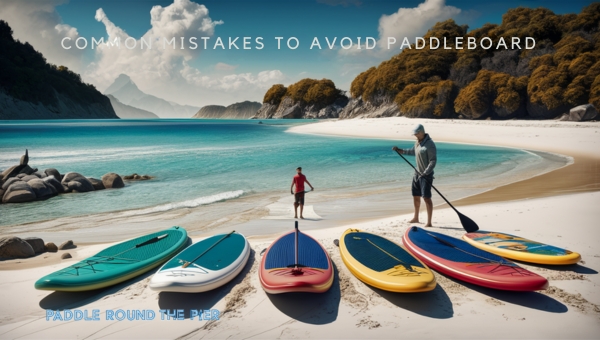
When learning how to stand on a paddleboard, it is easy to make a few common mistakes that can throw you off balance. By being aware of these pitfalls, you can improve your technique and enjoy a smoother paddleboarding experience. Here are the most frequent errors beginners make and how to avoid them.
1. Looking Down
One frequent mistake is looking down at your feet or the water. This can quickly disrupt your balance and make you feel unsteady. Looking straight ahead helps maintain a stable center of gravity. When you look down, your head's weight shifts forward, affecting your balance and making falls more likely.
Keeping your eyes on the horizon helps you stay oriented and focused. It prevents you from becoming dizzy or disoriented, which can happen if you fixate on the moving water beneath you. Looking ahead also boosts your confidence by giving you a sense of control and calmness, which is essential for maintaining balance on a paddleboard.
2. Holding the Paddle Incorrectly
Another common error is holding the paddle incorrectly. A proper grip is essential for effective paddling and maintaining stability. Ensure that your top hand is holding the T-grip at the end of the paddle, while your bottom hand should be positioned about halfway down the shaft. This allows for a comfortable reach and powerful strokes.
The paddle blade should be angled forward, with the convex side facing you. This orientation helps you scoop water efficiently and maintain balance. Avoid gripping the paddle too tightly, as a relaxed grip reduces fatigue and allows for smoother, more controlled movements on the water.
3. Standing Too Far Back or Forward
Incorrect foot placement can significantly affect your balance and control. Place your feet around the carry handle, typically the board's center and sweet spot. This ensures the board remains flat and balanced on the water. Keep your feet hip-distance apart or in a shoulder-width stance to provide a stable base for balancing.
Ensure your feet are parallel to each other. This alignment aids in maintaining a stable posture and allows for easier adjustments as you paddle. Standing in the sweet spot keeps the board level, while standing too far forward or back causes tilting that makes balancing unnecessarily difficult.
One of the most common mistakes beginners make is using a board that's too small or advanced for their skill level. If you are struggling with stability despite proper technique, consider whether your board width and volume are appropriate for your body weight and experience level. See our recommendations for the best SUP boards for beginners to ensure you are starting with the right equipment.
4. Not Engaging Your Core
Engaging your core muscles is vital for maintaining stability on a paddleboard. A strong core helps stabilize your entire body, absorbing wobbles and movements to prevent you from tipping over. Core engagement keeps your posture upright and aligned, reducing strain on your back and legs while making it easier to balance.
Core engagement also provides better control over your movements. It allows you to make quick adjustments and react to changes in water conditions, whether you are paddling on flat water or navigating choppy conditions. Think of your core as your stabilizing center that connects your upper and lower body movements.
5. Adjusting for Conditions
Adapting your stance and technique according to different water conditions is essential for a successful paddleboarding experience. In rough or choppy waters, widen your stance for better stability. Bend your knees slightly more to absorb the waves and maintain balance in changing conditions.
In calm conditions, a narrower stance may be more comfortable. You can stand more upright and focus on smooth, efficient paddling. When it is windy, lower your center of gravity by bending your knees more. This helps you stay grounded and reduces the impact of gusts that might otherwise destabilize you.
How to Recover from Falls
Falling off a paddleboard is part of the learning process, and knowing how to recover quickly and safely is an essential skill. Let's explore tips to minimize injury when falling and the steps to climb back onto your board with ease, including how to handle deep water situations.
Tips on Falling Safely
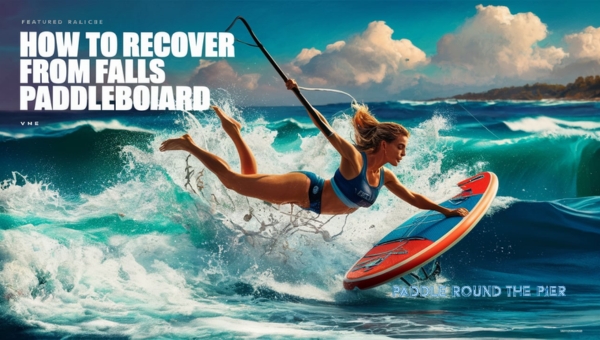
When you find yourself about to take a tumble, there are key practices to keep in mind to ensure you fall safely. Always try to fall away from the board into the water rather than onto the board itself to avoid injuries from hitting the hard surface. Keep your arms close to your body to protect them from getting hurt or tangled.
Stay relaxed as you fall. It might seem counterintuitive, but relaxing helps your body absorb the impact better and reduces the chance of injury. Falling into water deep enough that you won't hit the bottom is also important, especially when learning. Aim to fall cleanly into the water instead of landing awkwardly on your equipment.
Steps to Get Back on Your Board
Once you've fallen, getting back on your paddleboard is straightforward when you follow the right technique. First, swim to the side of the board rather than the front or back to prevent it from tipping over. Grab the edges with both hands for stability.
Kick your legs in the water to create upward momentum while pulling yourself onto the board, aiming to get your hips over the centerline. Once your hips are on the board, shift your weight and roll onto your knees to regain balance before attempting to stand again.
Getting Back on from Deep Water
Getting back on your board from deep water requires slightly different technique than in shallow water where you can push off the bottom. In deep water, your leash becomes essential as it keeps the board nearby. Swim to the side of your board and grab the carry handle or the edge with both hands.
Let your legs hang down and use a strong flutter kick while simultaneously pulling with your arms to propel yourself upward and onto the board. Aim to get your chest onto the deck first, then swing a leg up and roll into a prone or kneeling position. Practice this technique in calm, shallow water first so you are comfortable with the movement before venturing into deeper areas.
Also Read: Blackfin Paddle Board Review: Your Perfect Water Adventure
Maintaining Balance and Posture
Keeping your balance and posture on a paddleboard is key to enjoying your time on the water. It is not just about standing up; it is about staying up through changing conditions and continuous movement. Here is how to maintain your momentum and adjust your stance for a stable and enjoyable paddleboarding experience.
Keeping Your Momentum
Maintaining momentum is vital for staying balanced on a paddleboard. Continuously paddling keeps the board moving forward, which makes it easier to balance. Think of it like riding a bike. It is easier to stay upright when you are moving. The motion of paddling acts as a stabilizer, with each paddle stroke helping to correct small imbalances and keep you steady.
Establish a rhythm with your paddling. A smooth, consistent pace helps maintain momentum and keeps you balanced. Avoid sudden or jerky movements that could throw you off. Many beginners make the mistake of standing still and trying to balance in place, which is significantly harder than maintaining gentle forward motion.
Adjusting Your Stance
Adjusting your stance based on your comfort and water conditions is crucial for long-term balance. Position your feet shoulder-width apart to provide a solid base. Keep your knees slightly bent to absorb any waves or movements, lowering your center of gravity for better stability.
In rougher conditions, spread your feet a bit wider and bend your knees more. This wider stance increases your stability and makes it easier to handle waves and choppy water. When the water is calm, a narrower stance can be more comfortable and allow for smoother, more efficient paddling. Adjust as needed to find what works best for you.
Paddling Basics After Standing
Once you have successfully stood up on your paddleboard, the next step is learning to paddle effectively to move across the water. Basic paddling technique involves reaching forward with your paddle, burying the blade fully in the water, and pulling back smoothly alongside the board. Keep your arms relatively straight and rotate your torso rather than pulling with just your arms.
To go straight, alternate strokes on each side of the board. Typically, three to four strokes on one side followed by three to four on the other keeps most boards tracking straight. To turn, paddle more on one side. For a quicker turn, use a reverse stroke on the opposite side of the direction you want to go. Practice these basic strokes in calm conditions before attempting to navigate busier waters or longer distances.
FAQs
How are you supposed to stand on a paddleboard?
Stand on a paddleboard with your feet parallel and shoulder-width apart, positioned on either side of the carry handle in the board's sweet spot. Keep your knees slightly bent, your back straight, and your eyes focused on the horizon rather than looking down at your feet. Use your paddle for stability by placing it in the water immediately after standing up, and maintain gentle forward momentum as this makes balancing significantly easier.
Is paddleboarding good for osteoporosis?
Yes, paddleboarding can be beneficial for people with osteoporosis because it is a low-impact exercise that builds core strength, improves balance, and enhances overall stability without putting excessive stress on joints. The weight-bearing nature of standing helps maintain bone density. However, individuals with osteoporosis should take extra safety precautions including wearing a PFD, starting in calm conditions, and consulting their doctor before beginning. Falls carry more risk, so mastering the kneeling position first is essential.
Can you paddleboard at Lake Perris?
Yes, Lake Perris in Southern California is a popular paddleboarding destination that offers excellent conditions for beginners and experienced paddlers alike. The lake features calm waters, beautiful scenery, and designated areas for water sports. The marina area provides convenient launch points, and the calm conditions make it ideal for learning how to stand on a paddleboard. Be sure to check current regulations regarding PFD requirements and any designated paddleboarding zones before visiting.
What is the fastest growing water sport?
Stand up paddleboarding (SUP) is currently one of the fastest growing water sports globally. Its popularity has exploded because it is accessible to people of all ages and fitness levels, requires minimal equipment, and can be enjoyed on virtually any body of water including oceans, lakes, rivers, and bays. SUP offers a full-body workout, stress relief, and the ability to explore waterways from a unique standing perspective. The sport continues to evolve with specialized variations including SUP yoga, SUP fishing, and touring.
Why can't I stand up on my paddleboard?
Most beginners struggle to stand due to looking down at their feet rather than the horizon, attempting to stand up too quickly in one motion instead of transitioning gradually, or standing outside the board's sweet spot. Other common issues include using a board that's too small or narrow for your skill level, not having forward momentum when attempting to stand, and gripping the board with tense muscles rather than staying relaxed. Ensure your inflatable SUP is fully inflated to the recommended PSI, as under-inflation significantly reduces stability.
Is it easy to learn Stand Up Paddle Boarding?
Yes, stand up paddle boarding is relatively easy to learn compared to many other water sports. Most beginners can stand up and paddle confidently within their first one to two sessions, especially when starting on calm water with a stable, wide board. The kneeling position provides a comfortable learning phase, and the progression to standing is natural and intuitive. While balance takes practice, the learning curve is gentle, making SUP accessible to people of all ages and fitness levels.
How do you not fall when paddle boarding?
To avoid falling while paddleboarding, keep your gaze fixed on the horizon rather than looking down at your feet or the water. Engage your core muscles to stabilize your entire body, and maintain a slight bend in your knees to absorb movement. Use your paddle for stability by keeping the blade in the water, and maintain gentle forward momentum as moving boards are more stable than stationary ones. Position your feet shoulder-width apart in the board's sweet spot near the carry handle.
Conclusion
Learning how to stand on a paddleboard in 2026 opens up a world of aquatic adventure that combines fitness, relaxation, and exploration in one accessible package. By following the techniques outlined in this guide, you have learned the complete progression from selecting the right equipment and essential safety gear through the step-by-step standing process and recovery techniques.
Remember the key fundamentals: start on your knees to find your balance, use the paddle-across-board technique for stability during your transition, keep your feet shoulder-width apart in the sweet spot near the handle, and always look at the horizon rather than your feet. Engage your core, maintain gentle forward momentum, and adjust your stance based on water conditions.
Before your next paddleboarding session, use this quick recap checklist: Is your board fully inflated if using an inflatable SUP? Is your PFD properly fitted and accessible? Is your leash securely attached? Have you identified the sweet spot near the carry handle? Are you starting in calm, shallow water?
With practice, patience, and the right approach, you will soon be standing confidently and paddling smoothly across the water. Once you have mastered the basics, you might want to explore touring paddle boards for longer adventures or check out our guide to portable paddle board options for easier transport and storage.
If you found this guide helpful, be sure to explore more of our paddleboarding content for additional tips, gear recommendations, and destination guides to make the most of your time on the water.