
18 Best Places for Paddle Boarding (October 2026) Guide
There's a unique magic that happens when you stand on a paddle board for the first time. The water stretches out beneath you like glass, your heart quickens with anticipation, and then you find your balance. Suddenly, you're walking on water. This sensation has transformed paddle boarding from a niche Hawaiian pastime into one of America's fastest-growing outdoor activities, with participation growing over 50% since 2020.
If you're searching for the best places for paddle boarding, you've discovered a world of possibilities that spans every corner of this country. From the coral reefs of Florida to the alpine lakes of Colorado, from the bayous of Louisiana to the glacier-fed waters of Alaska, the United States offers an extraordinary diversity of paddling experiences.
This guide will take you beyond the obvious tourist spots and into the locations that truly deserve your attention. Whether you're a complete beginner looking for flat, calm waters, an experienced paddler seeking new challenges, or a family planning a vacation around water adventures, you'll find detailed recommendations here. I've included practical details that matter: rental availability, best seasons, difficulty levels, wildlife you might encounter, and those insider tips that make the difference between a good trip and an unforgettable one.
What This Guide Delivers
- Detailed profiles of 18 premier paddle boarding destinations across three categories: beaches, lakes and rivers, and national parks
- Specific practical information including rental facilities, difficulty ratings, and optimal seasons for each location
- Beginner-friendly guidance for selecting your first paddle boarding location
- Comprehensive packing and safety recommendations tailored to different environments
- Expert answers to the most frequently asked questions about paddle boarding destinations
A Brief Overview of Paddle Boarding
Stand-up paddle boarding, commonly abbreviated as SUP, traces its modern origins to Hawaii in the early 2000s, though its roots extend back to ancient Polynesian cultures where standing on boards and propelling with paddles was a practical means of transportation and fishing. Today, it has evolved into a versatile water sport that attracts millions of enthusiasts worldwide.
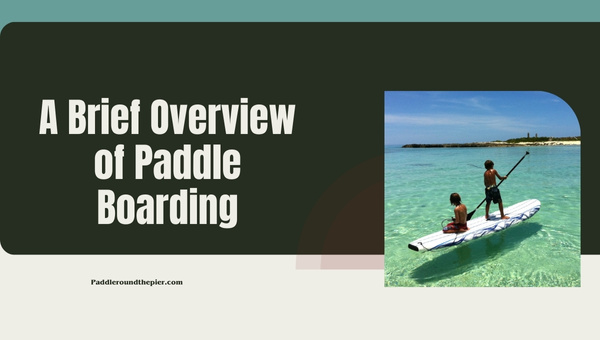
The fundamental concept is elegantly simple: you stand on a large, stable board and use a single-bladed paddle to propel yourself through the water. Yet within this simplicity lies tremendous variety. Some paddlers seek the meditative calm of gliding across a mirror-smooth lake at sunrise. Others chase the adrenaline of navigating mild rapids or catching small ocean swells. Fitness enthusiasts have embraced SUP yoga and paddleboard fitness classes. Anglers appreciate the elevated vantage point for spotting fish.
Why Paddle Boarding Has Captured America's Heart
- Accessibility: Unlike surfing, which requires specific wave conditions, paddle boarding works on virtually any body of water with sufficient depth. Lakes, rivers, bays, and oceans all offer viable paddling opportunities.
- Low Learning Curve: Most beginners can stand and paddle competently within their first hour on the water. The wide, stable boards designed for all-around use make balance achievable for nearly everyone.
- Full-Body Fitness: Every stroke engages your core, shoulders, back, and legs. An hour of moderate paddling burns approximately 300-400 calories while being far more engaging than gym exercise.
- Connection with Nature: Standing above the water provides a unique perspective. You can see fish swimming below, observe birds diving for prey, and access shallow areas unreachable by boat.
- Social or Solitary: Paddle boarding works equally well as a peaceful solo activity or a group adventure with friends and family.
The best places for paddle boarding share certain characteristics: clean water, interesting scenery, manageable conditions for your skill level, and reasonable access for launching your board. The destinations featured in this guide represent the finest examples of these qualities across America's diverse landscapes.
Also Read: Paddle Board Size Guide: How To Pick The Perfect One For You
Choosing the Best Places for Paddle Boarding
Selecting where to paddle requires balancing multiple factors. The ideal destination for a beginner differs dramatically from what an experienced paddler might seek. Understanding these distinctions helps ensure your outing meets expectations.
Factors to Consider
Every paddle boarding location presents its own character. Before planning your trip, evaluate these essential elements:
- Water Conditions: Beginners should prioritize calm, flat waters with minimal wind and boat traffic. Look for protected bays, small lakes, or slow-moving river sections. Intermediate and advanced paddlers might seek gentle ocean swells or mild river currents for added excitement.
- Wind Patterns: Morning conditions are typically calmer across most regions. Afternoon winds can create challenging chop on open water. Check local wind forecasts and plan accordingly.
- Scenic Value: Part of paddle boarding's appeal is the visual experience. Alpine lakes with mountain backdrops, coastal waters with marine life, or tree-lined rivers offer distinct aesthetic rewards.
- Rental Availability: If you don't own equipment, verify that rental shops operate near your chosen destination. Many top spots have on-site rentals; others require transporting gear.
- Access and Parking: Look for designated launch points with adequate parking. Some pristine locations require long hikes to reach the water, which complicates carrying a board.
- Seasonal Considerations: Water temperature, air temperature, and precipitation patterns vary dramatically by region. A destination perfect in July might be inaccessible in January.
- Regulatory Requirements: Certain areas require permits, restrict access seasonally, or prohibit paddle boarding during specific hours. Research local regulations before traveling.
For a curated list of our absolute favorite spots, check out our guide to the top 5 U.S. paddleboarding destinations.
Also Read: How to Store a Paddle Board Effectively: Essential Guide
Exploring Top Paddle Boarding Locations
America's paddle boarding destinations span an incredible range of environments. The following sections organize premier locations by category: coastal beaches for ocean paddling, inland lakes and rivers for freshwater experiences, and national parks where protected waters offer exceptional natural beauty.
Each destination profile includes difficulty rating, best season, rental availability, and the specific characteristics that make it worth visiting. Use this information to match locations with your skill level and preferences.
Coastal Beaches
Ocean paddling offers unmatched exhilaration when conditions align. The following coastal destinations range from beginner-friendly bays to more challenging open water locations. Always check local surf reports and lifeguard conditions before launching.
Malibu Lagoon State Beach, California
This Southern California gem delivers calm, protected waters inside Malibu Lagoon, making it ideal for beginners while still offering access to gentle ocean swells just beyond the sandbar. The scenery is spectacular: dramatic coastal bluffs, abundant birdlife, and on clear days, views of the Santa Monica Mountains.
Best Season: Year-round, though mornings offer calmer conditions regardless of season. Summer brings foggy mornings that burn off by afternoon. Winter offers crystal clarity but cooler water temperatures requiring wetsuits.
Difficulty: Beginner to Intermediate
Rentals: Multiple outfitters in Malibu and nearby Santa Monica provide hourly and daily rentals, with some offering delivery to the beach.
Cocoa Beach, Florida
Known globally as a surfing destination, Cocoa Beach also provides excellent paddle boarding conditions, particularly in the Banana River Lagoon on the west side of the barrier island. This protected waterway offers flat, warm conditions perfect for beginners, while the ocean side delivers small, rolling waves for those wanting to try paddle surfing.
Best Season: March through November offers warm water and air temperatures. Winter paddling is possible but may require wetsuits. Morning sessions avoid afternoon thunderstorms common in summer months.
Difficulty: Beginner (Lagoon) to Intermediate (Ocean)
Rentals: Several beachside shops offer hourly and daily rates, with some providing guided eco-tours of the lagoon where manatees and dolphins are frequently spotted.
Virginia Beach, Virginia
The Chesapeake Bay side of Virginia Beach provides miles of calm, sandy-bottom shallows ideal for learning. First Landing State Park offers particularly protected waters with the added bonus of exploring where English colonists first touched American soil. Back Bay National Wildlife Refuge presents a wilder paddling experience through coastal marshlands.
Best Season: April through October. Summer brings warmest conditions but also more boat traffic. Spring and fall offer quieter waters and pleasant temperatures.
Difficulty: Beginner
Rentals: Multiple outfitters along the oceanfront and in the Chesapeake Bay area offer equipment and guided tours.
Santa Cruz, California
While the main Santa Cruz beaches can be challenging for beginners, the harbor and adjacent Cowell Beach offer protected conditions with the quintessential California coastal experience. Monterey Bay's marine sanctuary status means abundant wildlife: sea otters, seals, sea lions, and migrating whales depending on season.
Best Season: Late spring through early fall offers most reliable conditions. Summer mornings are typically foggy but clear by afternoon. Winter brings larger swells and requires experience.
Difficulty: Beginner (Harbor) to Advanced (Open Ocean)
Rentals: Full-service shops in the harbor rent boards and offer lessons focusing on marine wildlife safety and viewing etiquette.
Outer Banks, North Carolina
This chain of barrier islands offers diverse paddling environments from the calm waters of the Roanoke Sound to the rolling Atlantic swells. The unique geography creates excellent flat-water conditions on the sound side while the ocean provides opportunities for more experienced paddlers. Pea Island National Wildlife Refuge offers exceptional birdwatching from your board.
Best Season: May through October. Summer is peak season with warmest water. Fall offers less crowded conditions and excellent fishing from paddle boards.
Difficulty: Beginner (Sound) to Intermediate (Ocean)
Rentals: Outfitters throughout the Outer Banks provide equipment and guided tours, with some specializing in fishing excursions.
Key West, Florida
The Florida Keys represent paddle boarding paradise: warm, clear water, abundant marine life, and diverse environments from mangrove tunnels to open water crossings. The mangrove estuaries around Key West provide protected, flat water perfect for beginners, while more advanced paddlers can venture to the reef line or make channel crossings.
Best Season: Year-round, though December through April offers most comfortable temperatures and lowest hurricane risk. Summer brings afternoon thunderstorms and higher humidity.
Difficulty: Beginner to Advanced
Rentals: Extensive rental infrastructure throughout the Keys, with many shops offering overnight and multi-day rentals for exploring multiple locations.
Lakes and Rivers
Inland waterways offer some of the finest paddle boarding in America. Lakes provide consistent flat water conditions ideal for beginners and yoga practitioners, while rivers add gentle current and the pleasure of downstream exploration. The following destinations represent the best freshwater paddle boarding experiences available.
Lake Tahoe, California/Nevada
Straddling the California-Nevada border at 6,225 feet elevation, Lake Tahoe offers arguably the most spectacular alpine paddling in North America. The water is famously clear, visibility often exceeding 70 feet. Mountain peaks frame every view, and the high elevation means cooler temperatures even on summer's hottest days.
Best Season: June through September. July and August offer warmest air temperatures, though the water remains brisk year-round. Morning sessions are essential before afternoon winds develop.
Difficulty: Intermediate (due to cold water and altitude effects)
Rentals: Full-service outfitters operate on both north and south shores, with some offering delivery to vacation rentals. The south shore has higher rental density.
Lady Bird Lake, Austin, Texas
This downtown reservoir represents urban paddling at its finest. Motorized boats are prohibited, creating a peaceful, flat-water environment despite being surrounded by city skyline. The Congress Avenue Bridge is home to the world's largest urban bat colony, and evening paddles during summer months offer the spectacular sight of 1.5 million bats streaming into the twilight sky.
Best Season: March through November. Summer temperatures can be extreme, making early morning and evening sessions preferable. Spring brings wildflowers along the shoreline.
Difficulty: Beginner
Rentals: Numerous outfitters along the lake's edge offer hourly rentals and guided bat-watching tours. The rental infrastructure is among the best in any U.S. city.
Flathead Lake, Montana
The largest natural freshwater lake west of the Mississippi offers pristine alpine paddling with a fraction of the crowds found at more famous destinations. The water is remarkably clear, the surrounding Mission Mountains provide stunning backdrop, and the lake's size means you can find solitude even on busy summer weekends. Wild Horse Island, accessible only by boat, offers hiking and wildlife viewing.
Best Season: June through September. Montana's short summer season means July and August are peak paddling months. Water temperatures peak in August but remain cool.
Difficulty: Beginner to Intermediate
Rentals: Outfitters in Polson and Bigfork provide equipment, with some offering delivery to lakeside accommodations.
Caddo Lake, Texas/Louisiana
This otherworldly destination features the largest cypress forest in the world, with ancient trees draped in Spanish moss creating a cathedral-like paddling environment. The bayous and sloughs offer protected, calm water perfect for beginners while delivering an atmosphere found nowhere else. Wildlife is abundant: alligators, herons, egrets, and owls are regularly sighted.
Best Season: March through November. Spring brings blooming wildflowers. Summer offers warm water but requires attention to afternoon storms. Fall foliage in the cypress forest is spectacular.
Difficulty: Beginner
Rentals: Outfitters near Uncertain, Texas offer guided tours and rentals, with guided trips strongly recommended for first-time visitors due to the maze-like waterways.
The Colorado River, Arizona/Utah
Below Glen Canyon Dam, the Colorado River transforms into a paddle boarder's dream: crystal-clear emerald water flowing through dramatic red rock canyons. The stretch from the dam to Lees Ferry offers flat water with gentle current, while downstream sections present increasingly challenging conditions. The juxtaposition of water and desert creates a surreal, unforgettable environment.
Best Season: April through October. Summer is popular but hot; morning paddling is essential. Spring and fall offer ideal temperatures but require checking dam release schedules that affect water levels.
Difficulty: Beginner (Glen Canyon section) to Advanced (downriver)
Rentals: Limited rental options exist at the put-in; most paddlers bring their own equipment or rent in nearby Page, Arizona.
Willoughby Lake, Vermont
Nested between Mount Hor and Mount Pisgah in Vermont's Northeast Kingdom, Willoughby Lake is the second-deepest lake in New England and one of the most beautiful. The steep mountain walls create wind protection, often yielding glassy conditions perfect for beginners. The eastern shore features dramatic cliffs that plunge directly into deep water.
Best Season: June through September. Vermont's paddling season is short but spectacular. July and August offer warmest conditions, though the water remains refreshingly cool.
Difficulty: Beginner
Rentals: Limited on-site rentals; most visitors rent in nearby towns like Newport or bring their own equipment.
National Parks and Protected Reserves
America's national parks preserve some of the most spectacular paddle boarding locations on Earth. These protected areas offer pristine water quality, abundant wildlife, and landscapes that remind us why conservation matters. Many require permits or have specific regulations, so advance planning is essential.
Biscayne National Park, Florida
Ninety-five percent of this park is underwater, making paddle craft the ideal way to explore. The Convoy Point and Jones Lagoon areas offer protected paddling through mangrove estuaries teeming with juvenile fish, rays, and sea turtles. The clear, shallow waters allow you to observe marine life directly from your board.
Best Season: November through April avoids Florida's summer heat and hurricane season. Winter and spring offer warm, dry conditions and calmer winds.
Difficulty: Beginner to Intermediate
Rentals: The park concessionaire at Convoy Point offers rentals during operating hours. No private rentals are permitted within park boundaries.
Permits: No special permit required for day paddling, but overnight camping on Elliot Key requires advance reservations.
Assateague Island National Seashore, Maryland/Virginia
Famous for its wild horses that roam freely across the barrier island, Assateague offers diverse paddling environments. The Maryland side features calmer bay waters, while the Virginia side provides access to both bay and ocean paddling. The chance to paddle among wild horses is a genuinely unique experience found nowhere else in America.
Best Season: May through October. Summer brings mosquitoes that can be intense; bring repellent. Fall offers comfortable temperatures and fewer biting insects.
Difficulty: Beginner (Bay side) to Intermediate (Ocean side)
Rentals: Outfitters in nearby Chincoteague, Virginia and Berlin, Maryland provide equipment and guided tours.
Permits: No permit required for day paddling, but parking fees apply at most access points.
Kealakekua Bay, Hawaii
This marine life conservation district on Hawaii's Big Island is widely considered one of the finest snorkeling and paddling destinations in the Pacific. The bay's protected status has allowed coral and fish populations to thrive. Spinner dolphins frequently rest in the bay during mornings, and the crystal-clear water offers visibility exceeding 100 feet.
Best Season: Year-round, though winter brings more rain to the Kona coast. Morning conditions are always preferable before afternoon winds develop.
Difficulty: Beginner to Intermediate
Rentals: Several outfitters in nearby Kealakekua and Kailua-Kona offer kayak and paddle board rentals for the bay.
Permits: Kayak and paddle board rentals through permitted commercial operators are allowed; private vessels require no permit but commercial activity is restricted.
Glacier National Park, Montana
While most visitors come for the hiking, the park's lakes offer extraordinary alpine paddling. Lake McDonald and Saint Mary Lake provide access to glacially carved valleys surrounded by peaks that still hold snow into August. The water is cold and clear, and the scale of the landscape is humbling. Paddling here is a reminder of wild America's grandeur.
Best Season: June through September. The park's high elevation means snow can linger into June. Go-to-the-Sun Road typically opens in late June, providing access to the best paddling lakes.
Difficulty: Intermediate (due to cold water and mountain weather)
Rentals: Limited rentals within the park; most paddlers bring their own equipment. Some outfitters in nearby towns rent inflatables suitable for the lakes.
Permits: No special paddling permit required, but park entrance fees apply. Backcountry camping requires permits.
Everglades National Park, Florida
The largest subtropical wilderness in the United States offers paddling experiences unlike anywhere else. The Ten Thousand Islands region presents a maze of mangrove tunnels and open bays where dolphins, manatees, and countless birds thrive. The Florida Bay side offers more open water but with the backdrop of the Keys and the chance to camp on chickees (elevated platforms) accessible only by boat.
Best Season: November through March. Summer brings intense heat, humidity, and mosquitoes that make paddling miserable. Winter dry season offers pleasant temperatures and manageable bug populations.
Difficulty: Intermediate to Advanced (navigation challenges and wildlife considerations)
Rentals: The park concessionaire in Everglades City offers rentals. No private rentals are permitted for backcountry camping.
Permits: Day paddling requires no permit. Overnight backcountry camping requires advance reservations and a permit fee.
Acadia National Park, Maine
Maine's only national park preserves a rugged Atlantic coastline punctuated by quiet coves and freshwater lakes. Long Pond and Echo Lake offer flat-water paddling with mountain views. The coastal sections provide sea kayaking-style conditions with the chance to paddle through arches and around islands. Fall foliage paddling here, with the hills blazing in red and gold, is genuinely world-class.
Best Season: June through October. July and August offer warmest water temperatures. September and October provide spectacular foliage but cooler conditions.
Difficulty: Beginner (Lakes) to Advanced (Coastal)
Rentals: Multiple outfitters in Bar Harbor and Southwest Harbor rent boards and provide guided tours.
Permits: No paddling permit required, but park entrance fees apply.
Also Read: Top Paddle Board Accessories: Essence and Must-Haves in 2026
Preparing For Your Adventure
Thorough preparation distinguishes memorable paddle boarding trips from disappointing ones. The following sections cover essential gear and safety considerations applicable to all the destinations featured in this guide.
What To Pack
Your packing list varies based on destination type and season, but certain items are universally essential:
- Personal Flotation Device (PFD): A Coast Guard-approved life jacket is legally required in most jurisdictions and essential for safety regardless of regulations. Belt-pack inflatable PFDs are popular among paddle boarders for their minimal interference with paddling motion.
- Leash: Attaches you to your board, preventing separation if you fall. Essential for ocean paddling and recommended everywhere. Use a coiled leash for flat water to prevent drag, straight leashes for surf.
- Sun Protection: Water reflects and intensifies sunlight. Waterproof sunscreen (reef-safe for ocean locations), UV-protective clothing, a wide-brimmed hat, and sunglasses with retention strap are essential.
- Waterproof Storage: Dry bags or waterproof phone cases protect electronics and valuables. Consider a small dry bag attached to deck bungees for easy access.
- Hydration and Nutrition: Even short paddling sessions require water. Bring more than you think you need, especially in hot climates. Energy bars prevent blood sugar crashes during longer outings.
- Whistle: Required safety equipment in many areas, useful for signaling in emergencies.
- Appropriate Clothing: Quick-dry synthetic or merino wool clothing works best. For cold water or weather, a wetsuit or drysuit may be necessary.
Safety Measures While Paddleboarding
Safety awareness ensures you return from every paddle with good memories rather than cautionary tales. Follow these principles regardless of your destination:
Paddle With a Partner: Solo paddling is inherently riskier. Whenever possible, share the experience with a friend or family member who can assist in emergencies.
Check Conditions Before Launching: Weather forecasts, wind reports, and tide tables (for coastal locations) should inform your plans. Conditions can change rapidly; know your exit strategy if weather deteriorates.
Understand Your Limits: The excitement of a new destination can push paddlers beyond their comfort zone. Be honest about your skill level and choose appropriate locations. When in doubt, start conservatively.
Know Local Hazards: Research destination-specific risks before traveling. These might include rip currents at beaches, underwater obstacles in rivers, boat traffic in lakes, or wildlife considerations in certain areas.
Carry Communication: A waterproof phone case allows emergency calls if you have cell coverage. For remote locations, consider a personal locator beacon or satellite communicator.
Tips and Tricks For a Successful Outing
Experience teaches lessons that can shortcut your path to paddle boarding proficiency. These recommendations come from years of exploring diverse waterways:

- Start Early: Morning conditions are almost always calmer, cooler, and less crowded. Dawn patrol sessions offer the most magical light and the best chance for wildlife encounters.
- Learn Proper Technique: Efficient paddling reduces fatigue and prevents injury. Your power comes from core rotation, not arm strength. Take a lesson if you're new to the sport.
- Choose Appropriate Equipment: Wider, longer boards provide more stability for beginners. Inflatable boards travel well for destination paddling. Consider board volume and weight capacity.
- Respect Wildlife: Maintain appropriate distance from marine mammals and nesting birds. Never approach animals closely, and avoid disturbing resting dolphins or seal haul-outs.
- Practice Falling: Learn to fall away from your board to avoid injury. Practice remounting in shallow water before attempting deeper conditions.
- Leave No Trace: Pack out all trash, respect vegetation, and minimize your impact. Avoid dragging boards across sensitive shorelines or coral.
For specific destinations, additional research pays dividends. The Chesapeake Bay region is a paddler's paradise with extensive waterways and protected areas, and you can explore more in our guide to Maryland and Chesapeake Bay paddling.
Florida's crystal-clear springs provide some of the most unique paddling experiences in the country. Check out our Weeki Wachee paddling guide for more on Florida's spring-fed waterways.
FAQs
What is the best time of year to go paddle boarding at these locations?
While it largely depends on the location, spring and summer are typically the best seasons for paddle boarding. Clear skies and warm temperatures make for excellent conditions - but always check local weather advisories before heading out!
Do you need any special permits or permissions to paddle board?
In most cases, public beach and park access are freely available. However, for certain protected areas like nature reserves and national parks, you may need to obtain a permit. Always research ahead or contact local authorities to be safe.
What state is best for beginner paddle boarders?
Florida, Texas, and California offer the most beginner-friendly paddle boarding destinations due to warm water, abundant rental facilities, and diverse protected waterways. Florida's Keys and inland springs, Texas's Lady Bird Lake, and California's protected harbors provide ideal learning environments with calm conditions and plenty of support services.
Which U.S. states offer the most scenic paddle boarding?
Hawaii, Montana, Utah, California, and Alaska consistently rank as the most visually stunning paddle boarding destinations. Hawaii offers tropical waters and volcanic coastlines. Montana provides alpine lakes with mountain backdrops. Utah features dramatic red rock canyons. California delivers diverse coastal and mountain scenery. Alaska presents glaciers and untouched wilderness.
Do I need special gear to paddle board in different states?
Basic paddle boarding gear remains consistent across locations: board, paddle, PFD, and leash. However, destination-specific additions matter. Cold water locations like Alaska, Montana, or the Pacific Northwest require wetsuits or drysuits. Tropical destinations demand reef-safe sunscreen and UV protection. Desert locations like Lake Powell require extra hydration systems. Always research water temperature and local regulations before traveling.
Can you paddle board year-round in the U.S.?
Yes, year-round paddle boarding is possible in the United States, though regional conditions vary dramatically. Florida, Hawaii, Southern California, and the Gulf Coast offer comfortable year-round paddling. Northern states and mountain regions have shorter seasons typically running May through September. Winter paddling in cold climates requires specialized gear including wetsuits or drysuits and heightened safety awareness.
What wildlife might you encounter at these top paddle board spots?
Depending on where you're paddling, you might see seabirds, turtles, fish, or even dolphins in marine environments. At freshwater spots like lakes or rivers expect to see ducks, geese, or beavers. Florida locations often feature manatees and alligators. Mountain lakes may have ospreys and eagles. Coastal California regularly hosts sea otters and seals. Always remember to respect wildlife space and observe from appropriate distances.
Where can I find calm waters without heavy boat traffic?
Motor-free zones provide the best calm water paddle boarding experiences. Lady Bird Lake in Austin prohibits motorized boats entirely. Many state and national parks restrict motorboat access in certain areas. Vermont's smaller lakes often have limited powerboat traffic. California's harbors and lagoons provide protected waters. Research motor-free designations and weekday timing to avoid crowded conditions.
Conclusion
America's best places for paddle boarding offer extraordinary diversity. From the coral waters of the Florida Keys to the glacial lakes of Montana, from the red rock canyons of Utah to the wild coast of Maine, paddlers can find their perfect destination regardless of skill level or geographic preference.
The key to memorable paddle boarding lies in matching your destination to your abilities and interests. Beginners should seek protected waters with rental support and gentle conditions. Intermediate paddlers can explore more challenging environments with variable conditions. Advanced paddlers might pursue remote wilderness destinations or ocean environments.
Wherever you choose to paddle, respect for the environment, thorough preparation, and safety awareness ensure positive experiences. The destinations featured in this guide represent starting points for exploration. America's waterways are vast, and countless hidden gems await discovery.
Looking for more outdoor adventure inspiration? Check out our ranking of the best adventure states in America. And for those drawn to the Pacific Northwest, explore Oregon's incredible paddling destinations from coast to Cascades.
Pack your board, check the forecast, and discover why paddle boarding has captured the hearts of millions. Your next adventure awaits on the water.